Cleanroom door applications by industry and position: airlock interlocking, pressure cascades, GMP Annex 1, pass-through hatches, surfaces and testing - with sources.
What the cleanroom door is protecting
A cleanroom is not a clean room - it is a room whose particle count is counted. ISO 14644-1 classes from ISO 5 down to ISO 8 are maintained by filtered air and a pressure cascade: each cleaner zone sits above the dirtier one beside it, so contamination can only be pushed out, never drawn in. The door is the only part of that envelope that moves thousands of times a day. Every cleanroom door decision - type, interlock, surface, seal - comes back to defending that cascade.
Which industries use which doors
- Pharmaceutical and sterile manufacturing (EU GMP / FDA): airlock doors with mandatory interlocks, pass-through hatches for materials, ISO 7-8 cleanrooms with terminal rooms at ISO 5-7.
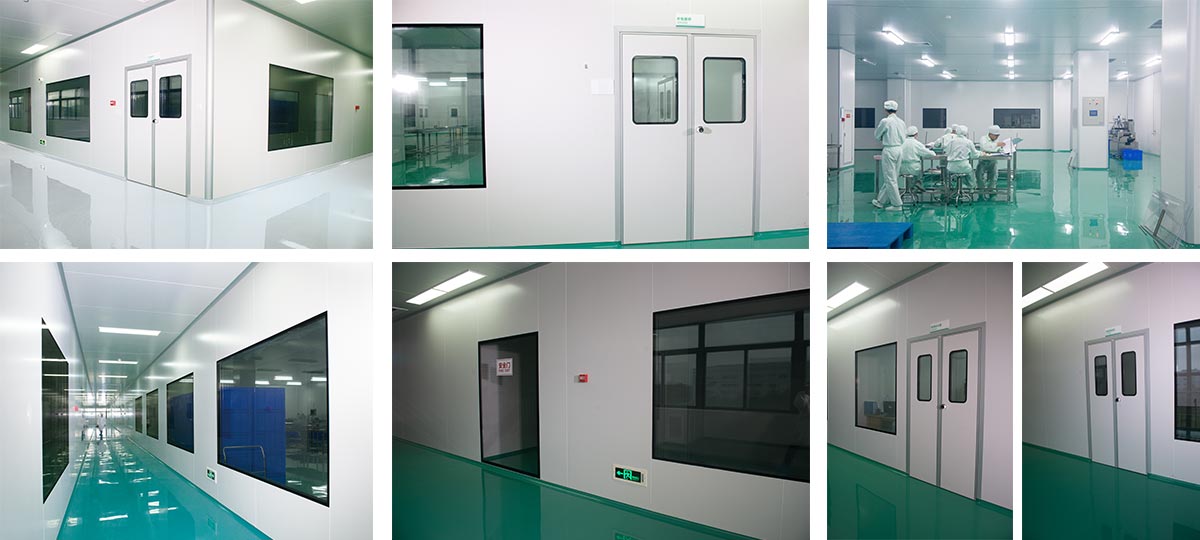
- Hospital pharmacies and CSSD: hermetic sliding doors between preparation zones and airlocks, with contactless operation for gowned staff.
- Electronics and semiconductor: high-cycle hermetic sliders, minimal particle-shedding surfaces, ESD-compatible finishes where required.
- Food and cosmetics: washdown-duty doors, smooth faces, no horizontal ledges.
- Laboratories and containment: pressure-tight doors in both directions - positive for product protection, negative for personnel protection - with viewing panels and sometimes lead shielding.
Door type by position in the cascade
Airlock doors - and why they interlock
An airlock works only if one door is always closed. EU GMP Annex 1 (in force since its 2022 revision) treats airlocks as the boundary control of every cleanroom grade and expects interlocking or a warning system preventing simultaneous opening of adjacent doors. The mechanical logic is simple: door A must be fully closed and locked before door B releases. Our interlocking cleanroom doors run this logic on a dedicated controller, with status lights outside each airlock and a monitored bypass for emergency egress.
Room-to-corridor doors
The working doors of the cleanroom itself: hermetic sliding leaves that compress onto perimeter seals when closed, radar or foot operated, with double-glazed vision panels so supervisors read the room without opening it. In gowning rooms the door often pairs a card reader (training-zone segregation) with free exit.
Pass-through hatches
A pass-through chamber lets materials cross the boundary without a person crossing with them - no gowning cycle, no extra air changes. Sizes from small component hatches to pallet-sized chambers; each has interlocked doors and often its own HEPA-flushed volume so the hatch itself does not become the dirty pocket.
The pressure cascade, in numbers
Cleanroom cascades typically hold 10-15 Pa between adjacent zones of different grade, with higher differentials for containment work. The exact values come from the facility's qualification protocol, not from the door supplier - but the door decides whether those pascals survive the working day. Two failure modes dominate: worn seals (leaf no longer compresses) and forced operation with the interlock bypassed. Both show up in the differential-pressure log before anyone sees them on the floor.
Surfaces and details that decide particle performance
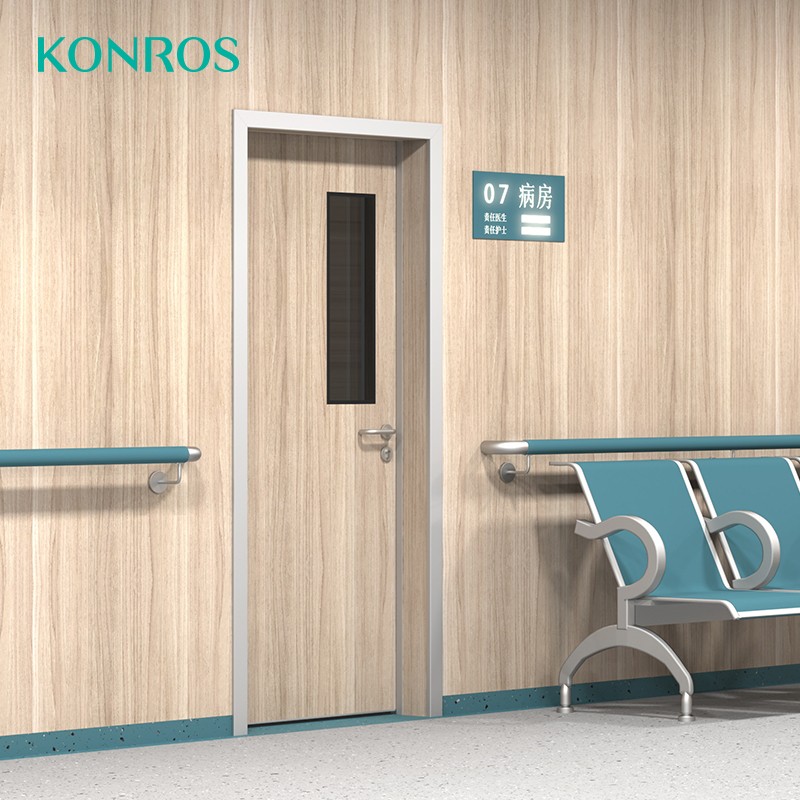
- Face materials: stainless steel or HPL laminate over a flush core - both shed almost nothing; powder-coated steel where budgets demand it and the class allows.
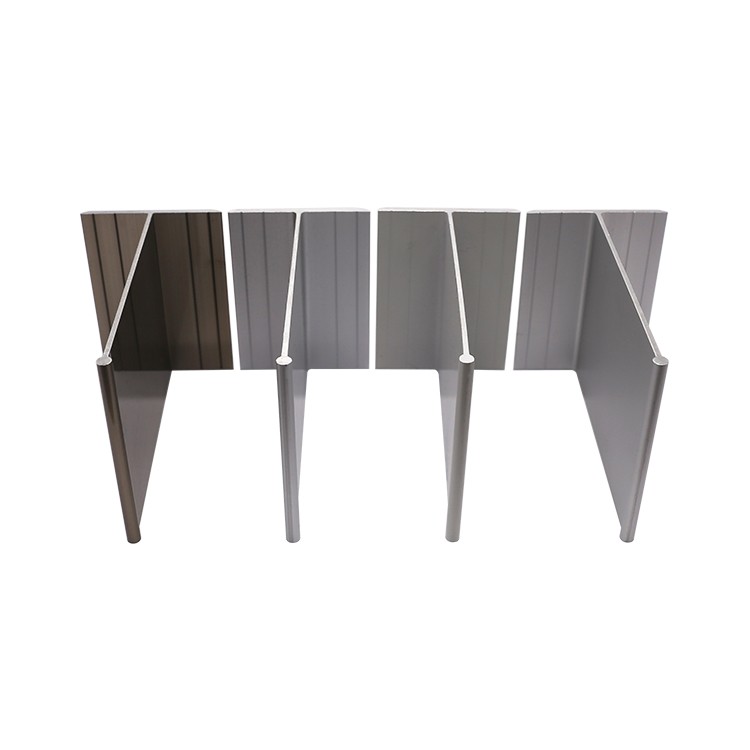
- Corners and frames: radiused or coved junctions to wall systems (our EPS cleanroom panel doors are built to sit flush with 50 mm sandwich walls); no horizontal ledges where dust can sit.
- Seals: full-perimeter, replaceable from the room side without dismantling the leaf - because seals are consumables, not furniture.
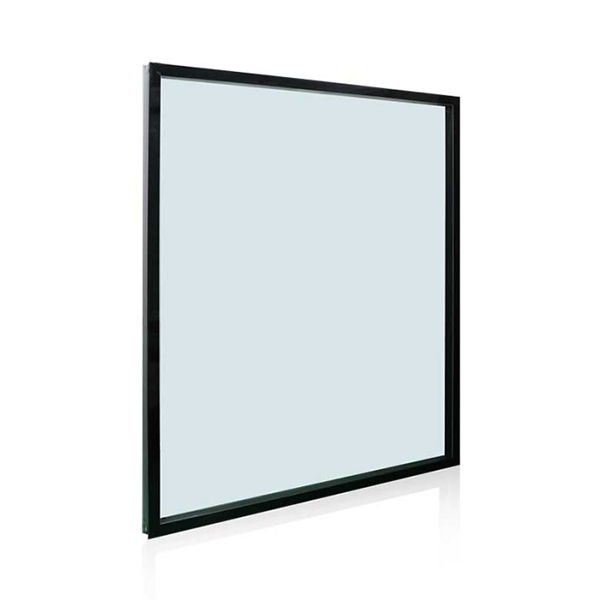
- Vision panels: flush double glazing, sealed into the leaf, laminated where personnel protection applies.
Opening methods in a cleanroom
Radar sensing for material flow, foot control for gowned operators who cannot touch anything, card readers at gowning boundaries, and interlock releases that stay under supervisor control. Every automatic door keeps a mechanical escape release - cleanrooms are workplaces first and cleanrooms second.
Testing and qualification
- Air permeability to EN 12207 with a recorded leakage class, plus the manufacturer's certificate per door type.
- On-site differential pressure across every boundary with the HVAC balanced, doors closed, at working setpoints.
- Recovery and particle verification per ISO 14644-2 monitoring schedules after installation and after any seal change.
- Interlock function test: attempt to force simultaneous opening under normal and power-loss conditions; verify the egress bypass and its alarm.
Configurations we ship
- ISO Clean Room Door with interlocking system - hermetic leaf, dedicated interlock controller, status indication, built for EPS sandwich-panel walls.
- Hermetic sliding doors for grade boundaries and hospital pharmacy zones, radar or foot operated, double-glazed vision panels.
- Pass-through hatches with interlocked doors and optional HEPA flush.
- Lead-lined cleanroom doors where radiopharmaceutical or imaging zones meet cleanroom standards.
References
- ISO 14644-1, Cleanrooms and associated controlled environments - Part 1: Classification of air cleanliness by particle concentration. International Organization for Standardization: iso.org
- ISO 14644-2, Part 2: Monitoring to provide evidence of cleanroom performance related to air cleanliness by particle concentration. iso.org
- EudraLex Volume 4, EU Guidelines for Good Manufacturing Practice, Annex 1: Manufacture of sterile medicinal products (2022 revision): health.ec.europa.eu
- EN 12207, Windows and doors - Air permeability - Classification. See CEN: cen.eu
Where the fire strategy adds compartment requirements, fire rated cleanroom doors keep the same cleanable faces.