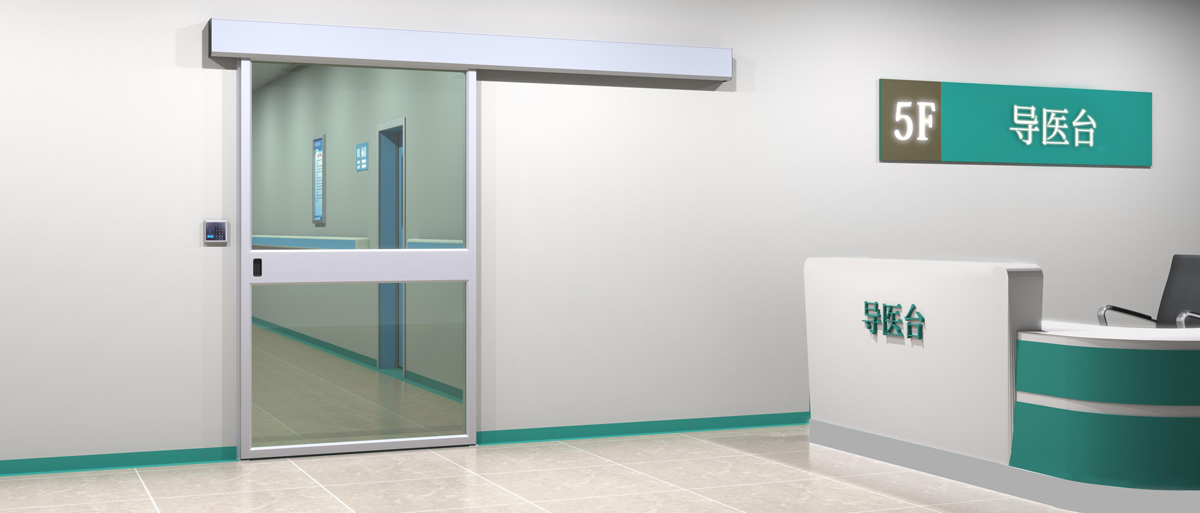
Hermetic vs Cleanroom vs Airtight Doors: What Is the Difference?
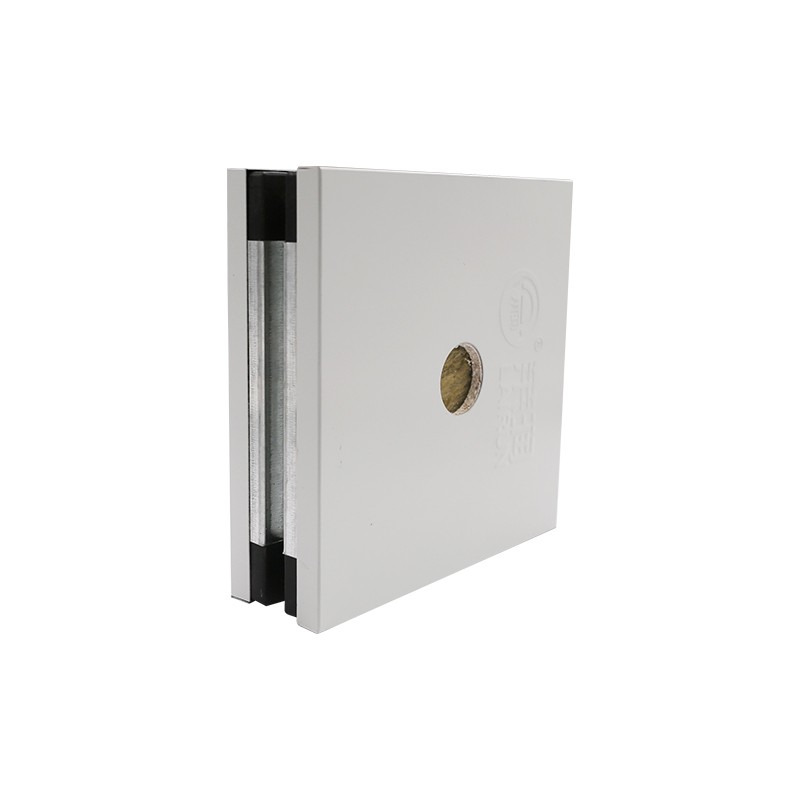
Search for hospital doors and you will meet the same product called hermetic, airtight and cleanroom - sometimes all three in one paragraph. The terms overlap but are not synonyms, and knowing the difference prevents over-specifying (paying twice) or under-specifying (failing commissioning).
Airtight: the base claim
Airtight is the measurement-level statement: the closed door resists air leakage, verified as a leakage figure at stepped pressures - classically under EN 12207. Airtightness is a property with a number attached. When a supplier uses the word and can produce the number, "airtight" is the honest, modest term in this family.
Hermetic: airtight, plus the mechanism
Hermetic is the industry's word for doors that achieve very low leakage by mechanical compression: the leaf clamps onto full-perimeter seals against a raised rail or frame when it closes. In hospital and cleanroom practice, "hermetic door" implies the compression mechanism, the measured leakage behind it, and fitness for pressure regimes. Not legally protected, though - which is why the phrase should always be followed by a test report, exactly like airtight.
Cleanroom: airtight, plus the environment discipline
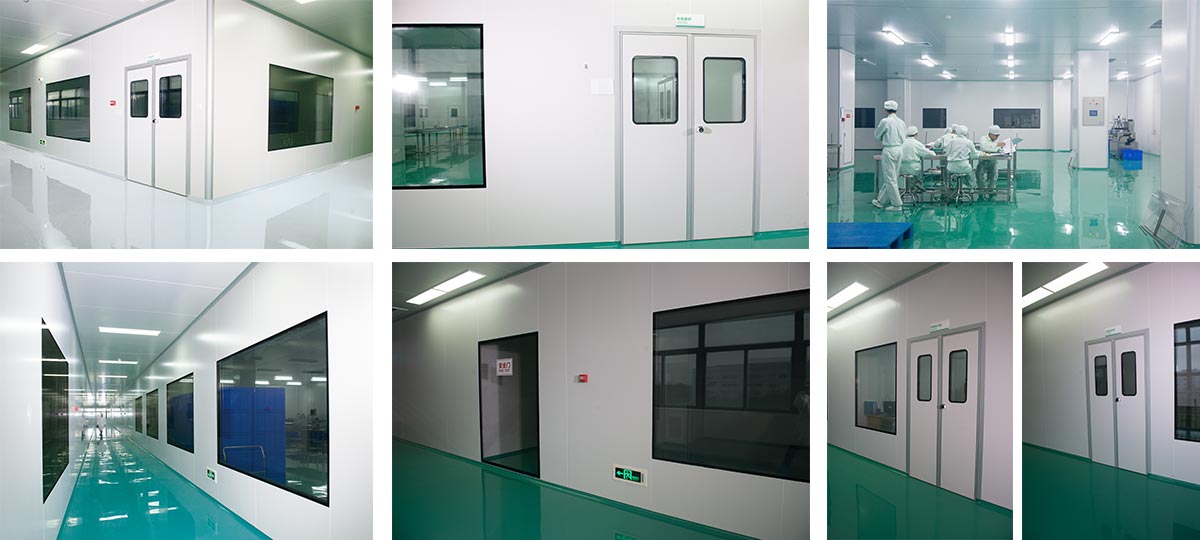
Cleanroom door means more than sealing: it is a door engineered for particle discipline - non-shedding surfaces, coved or flush junctions to wall systems, compatibility with interlocks and pass-through hatches, glazing that reads as clean. The term invokes the ISO 14644 world: the door is a component of a classified environment, not just a barrier to wind. A hermetic door with square ledges and a shedding coating would seal beautifully and pollute everything.
How they stack in practice
- All cleanroom doors should be hermetic-grade sealing - but not all hermetic doors are cleanroom doors.
- All hermetic doors are (or should be) airtight by evidence - but many "airtight" doors are weather-sealed sliders wearing the word.
- Operating theatres buy hermetic performance for pressure cascades; they do not need full cleanroom construction.
- Pharma and electronics cleanrooms buy the full cleanroom package - surfaces, coving, interlocks, qualification support.
The questions that place a door correctly
- What leakage class does it hold, at which pressures, in my configuration? (Places it on the airtight scale.)
- How does it seal - compressed gaskets on closing, or brush strips? (Confirms the hermetic mechanism.)
- What surfaces, junctions and interlock logic does it support? (Qualifies it for cleanroom duty.)
What to refuse
Brochures stacking all three adjectives on a door with no test report anywhere. Terminology costs nothing; measurement costs money - and the price difference between a weather-sealed slider and a tested hermetic door is exactly the boundary the adjectives are blurring.
Match the word to the room's problem: air leakage wants airtight with numbers, pressure regimes want hermetic with a mechanism, classified environments want cleanroom with the full discipline.
The vocabulary, aligned
- Airtight door: measured low leakage - the claim with a number.
- Hermetic door: airtight by compression mechanism - the leaf clamps onto seals on close; still a claim with a number.
- Cleanroom door: hermetic sealing plus particle discipline - surfaces, coving, interlock compatibility; the ISO 14644 environment's component.
- Clean door / hygienic door: marketing neighbours - cleanable faces, sealed edges; useful terms when they come with the same evidence.
- Gas-tight door: the laboratory idiom for the same leakage performance, common in isolation and containment specifications.
Writing the requirement without the vocabulary war
Skip the adjectives entirely and specify outcomes: leakage class and pressure, seal mechanism, surface and junction requirements, interlock logic where boundaries need it. A door schedule written in outcomes reads identically in every dialect - and compares across vendors without translation.
FAQ
Is a hermetic door the same as an airtight door?
In performance, near enough that specifications should treat them as one claim with one demand: the leakage number. In mechanism, hermetic implies compression seals on closing - ask for the class and the report under either word.
Is a cleanroom door always hermetic?
In practice it must seal like one - the cleanroom's pressure cascade depends on it - and it must also behave as a cleanroom component: non-shedding, cleanable geometry, interlock-ready. Sealing is necessary, not sufficient.
What is a gas-tight door?
The laboratory and containment term for doors holding very low leakage - isolation rooms and clean facilities specify it freely. Your response is unchanged: the measured leakage figure, at pressure, for the configuration quoted.
Can one door be all three?
A top-class hermetic door with cleanroom-grade surfaces genuinely is all three - at a price. The specification's job is deciding whether the room needs all three or is paying for adjectives.
How do I know a supplier's "hermetic" is real?
The same test every time: report, configuration match, pressure steps, class. Suppliers with the evidence answer in one email; the rest answer in paragraphs.
What should a door schedule say instead of these terms?
Outcomes: leakage class and test pressure, seal mechanism, surface and junction requirements, activation and interlock needs. A schedule written that way is dialect-proof - every vendor quotes against the same numbers, and procurement compares facts.
Do cleanroom doors cost more than hermetic doors?
Cleanroom-grade everything - surfaces, coving, interlock logic, qualification support - sits above a basic hermetic set, as it should: it is the same sealing plus an environment's worth of discipline. Pay for it where a classified environment exists; skip it where a cascade does not.
How to end the terminology argument in one meeting
Put the room's requirement on one side of a whiteboard and the evidence list on the other - leakage class, seal mechanism, surface requirements, interlock logic. Then let vendors fill the evidence column for their doors. The meeting stops being about vocabulary and becomes a comparison of documents, which is the only version of the meeting that ends on time and survives procurement.
Why do suppliers use these terms interchangeably?
Because markets reward adjectives until buyers demand numbers. Every serious manufacturer can produce the evidence behind all three terms; the interchangeable usage is a tribute to how often nobody asks.
Which term should our specification use?
Whichever reads best locally - then the number. "Hermetic doorset achieving EN 12207 class [X] at [Y] Pa, cleanroom-grade surfaces where specified" is dialect-proof, vendor-proof and audit-proof in one line.
Is "clean door" a regulated term?
Not formally - it is marketing shorthand for cleanable, non-shedding construction, credible exactly as far as its evidence. The buying discipline is unchanged: ask what backs the adjective.
What documentation should cleanroom door orders carry?
Leakage class evidence, material and surface specifications, interlock logic description, and qualification support - the cleanroom's file is part of its classification, and the door contributes its chapter.
Airtight with numbers, hermetic with mechanism, cleanroom with discipline - three words, one demand for evidence.