X-ray Door Lead Equivalents Explained: 1mmPb, 2mmPb or 3mmPb?
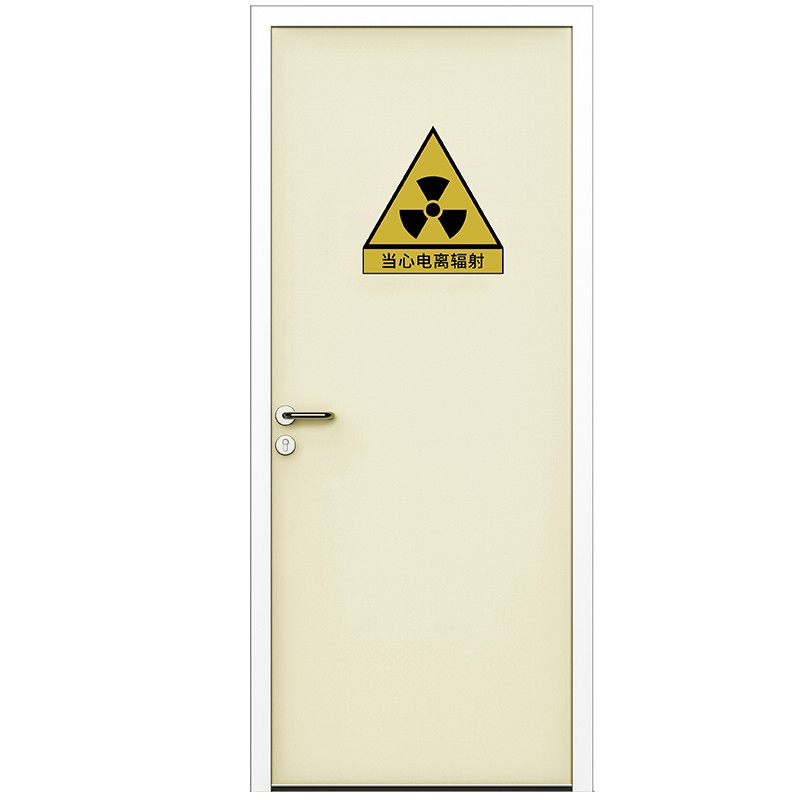
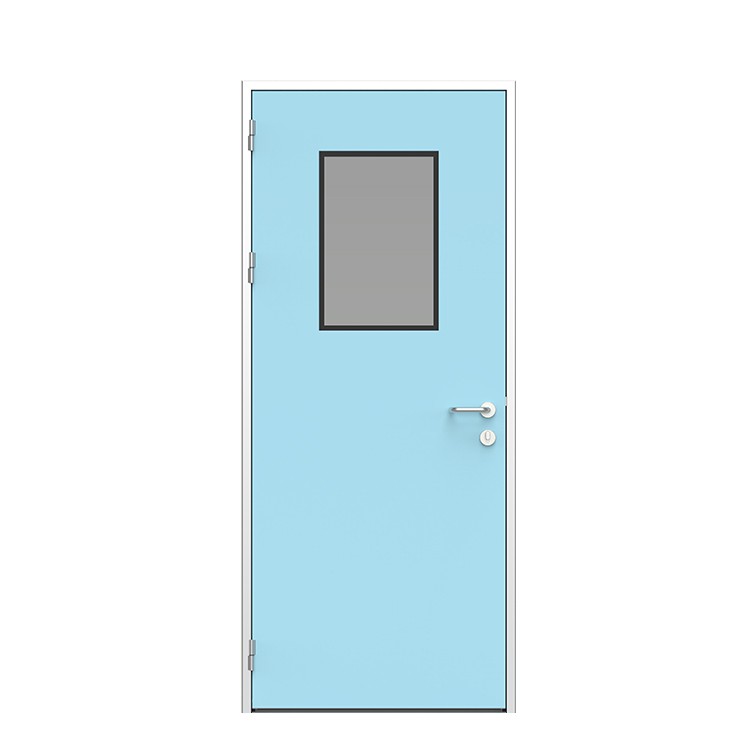
Every lead-lined door specification mentions a value like 1.0mmPb, 2.0mmPb or 3.0mmPb. That number is the thickness of pure lead sheet which would attenuate radiation the same way as the shielding actually built into the door. Choosing it is a physics question - but a practical understanding of what drives the number will save you a lot of confused emails between the physicist, the supplier and the site.
Where the number comes from
The shielding requirement starts with the imaging equipment: its kVp and workload, the direction the beam points, how many patients per day, and what sits on the other side of each wall - a corridor, an office, an uncontrolled public area. A radiation physicist turns those inputs into a shielding plan, and the plan states the lead equivalence each barrier needs. DR rooms typically land at the lower end, CT rooms in the middle, and interventional or older high-workload rooms higher.
The important consequence: the correct mmPb value for your door is a property of the room, not of the door catalogue. Two X-ray rooms in the same hospital can legitimately need different door shielding.
Rough orientation - not a specification
- 1.0 - 1.5 mmPb: conventional radiography rooms, dental and low-workload diagnostics.
- 2.0 mmPb: the common middle ground - many CT and fluoroscopy rooms.
- 2.5 - 3.0 mmPb and up: high-workload interventional, some legacy rooms, and barriers close to the beam source.
Treat that list as a sanity check only. If a supplier quotes every door at the same value regardless of room type, nobody has read the shielding plan.
Lead equivalence applies to the whole door set
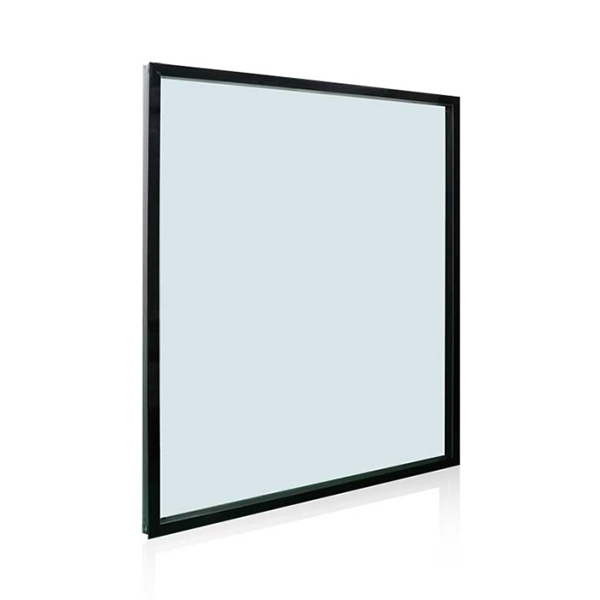
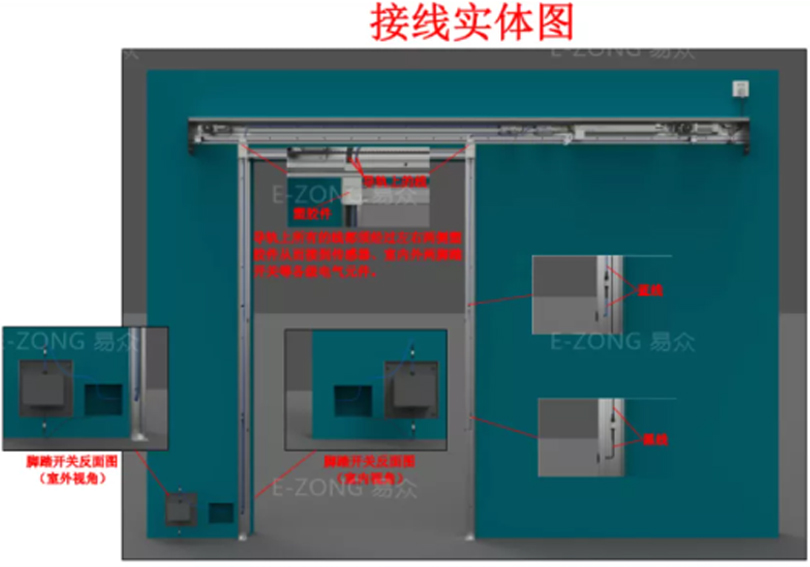
The leaf is the easy part. The specification has to cover the frame - unlined frames let radiation walk straight around the door - the vision panel (leaded laminated glass at the same equivalence), junctions between leaf and wall, and any gap at the floor. Lead lining also adds serious weight, which flows into hinges, operators and track selection. A lead-lined hermetic slider is a different machine from the standard version of the same catalogue page.
How to verify what you received
Reputable factories attach certification to the material: lead sheet and leaded glazing with stated equivalence, traceable to the order. On site, the final authority is the radiation survey done after installation with the equipment running - the physicist measures transmission through the installed door, not the brochure. Build that survey into the acceptance protocol and the mmPb conversation stops being an act of faith.
Questions worth asking any supplier
- Do you quote shielding per room from the physicist's plan, or one default value for everything?
- Is the frame lined to the same equivalence as the leaf?
- Is the vision panel leaded laminated glass at matching equivalence, and is it marked?
- What certification ships with the door set?
- What does the leaf weigh, and is the operator rated for it?
Match the number to the room, line the frame as well as the leaf, and let the final survey close the argument.
Equipment-to-door orientation table
- Dental / intraoral, low workload: often 1.0 mmPb or per local code - small rooms, short beam-on times.
- Conventional DR radiography: typically 1.0-1.5 mmPb; always confirm against workload and occupancy on each side.
- Fluoroscopy / mobile C-arm suites: commonly 1.5-2.0 mmPb with attention to operator position.
- CT rooms: commonly 2.0 mmPb; scatter levels and daily patient volume push some rooms higher.
- Interventional / cardiac cath labs: often 2.0-2.5 mmPb and up, with staff-adjacent barriers reviewed individually.
- Legacy high-workload rooms: measured, not assumed - old machines, old schedules, sometimes thicker walls than new physics would ask.
Read that column as geography, not gospel: the physicist's report for the actual room overrides every table, including this one.
Weight, hardware and the dominoes of lead lining
Lead is dense; the door gets heavy quickly. A lined leaf shifts hinge classes, closer adjustments and operator ratings upward, and slider tracks grow heavier sections. This is why lead-lined doors are quoted as doorsets - leaf, frame, hardware, glazing priced as one machine - while the plain door beside them in the catalogue reads like a different species. Skipping the hardware dominoes at order stage is how sites end up with perfect shielding hanging on tired hinges.
FAQ
Is a higher mmPb always safer?
It is always heavier and always more expensive; it is only "safer" if the room's physics asked for it. Over-shielding wastes budget and operator capacity; under-shielding fails the survey. The plan is the answer, not the catalogue's biggest number.
Who decides the lead equivalence for a door?
A qualified radiation physicist, from the equipment's output, workload, beam directions and occupancy around each barrier. The door supplier's job is to build and certify to that number - not to originate it.
Does the door frame need lead lining too?
Yes, to the same equivalence as the leaf, including junctions to the wall lining. Radiation travels in straight lines and does not respect procurement divisions of responsibility.
How much does lead lining add to a door's cost and weight?
Roughly: lining price scales with area and mmPb, and a lined doorset typically lands meaningfully above its unlined equivalent - with the frame, glazing and hardware upgrades riding along. Ask for the lined and unlined quote side by side; the delta is the honest number.
What certification should arrive with a lead-lined door?
Material certificates for the lead sheet and leaded glazing stating equivalence, matched to your order's door schedule, plus shielding continuity details at frame junctions. The final authority is the on-site radiation survey with equipment running.
How shielding conversations go wrong, in three acts
Act one: the door supplier quotes a default equivalence "to be safe". Act two: the physicist's plan arrives with different numbers per room and nobody reconciles them. Act three: the survey fails on a mismatched frame and the argument about whose number it was costs a month. The fix is procedural, not technical - one shielding plan, named on every order line, verified at delivery and closed by the survey.
Do lead-lined doors need special maintenance?
The shielding itself is passive; the maintenance is about what carries it - hinges and operators rated for the weight, and seals whose condition keeps the frame junctions tight. A lead door on tired hardware is shielding with a sag.
Can existing doors be retrofitted with lead lining?
Generally not credibly - lining changes weight, hardware class and certification status as a set. Where rooms change use, the honest route is a new lined doorset on the existing opening, ordered against the physicist's plan.
How much does a lead-lined door weigh?
Meaningfully more than its unlined twin - lining area times equivalence sets the mass, which flows into hinge classes, closer settings and operator ratings. Quotations for lined sets should state the leaf weight; hardware specified in kilograms, not hope.
Are lead-lined doors required for dental X-ray rooms?
Often at modest equivalents, per local code and the physicist's plan - small rooms, controlled beams, low workloads. The decision path is identical at every scale: plan first, door second, survey to close.
The mmPb conversation rewards exactly one discipline: one shielding plan, applied to every barrier element, verified at the end.