
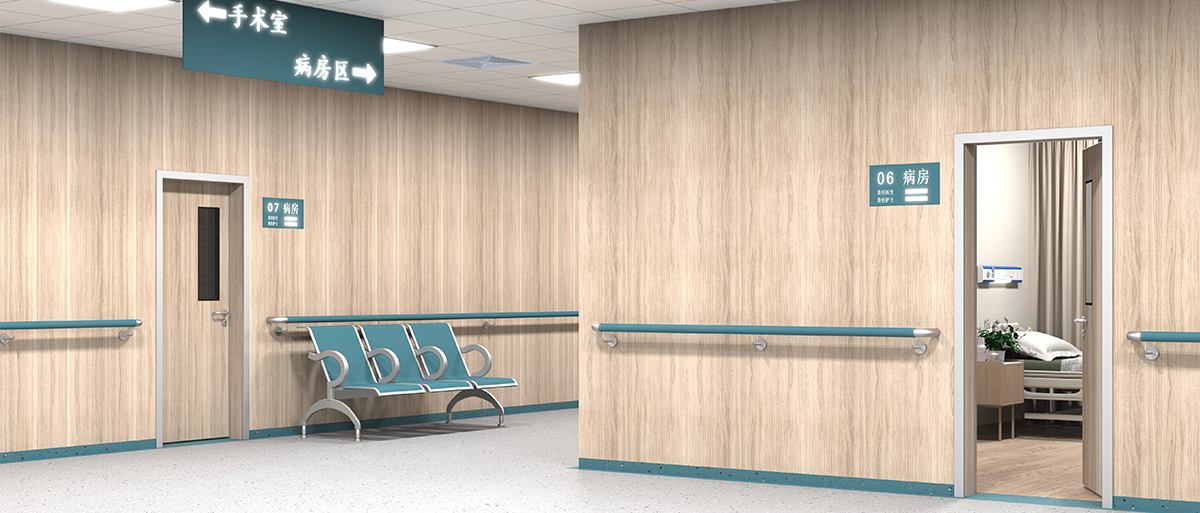
Airtight Swing Door for Wards & Isolation Rooms
MODEL NO.: FHD-204
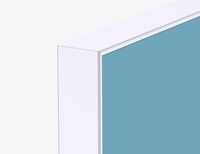
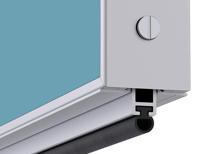
- Perimeter compression seals on all four sides of the leaf
- EN 12207 Class 2-3 airtightness (validated at factory)
- Hydraulic closer ensures full gasket compression on every close
- Single or double leaf for standard and wide openings
- HPL or stainless steel surfaces, disinfectant resistant
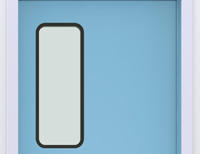
- Optional vision panel with sealed glazing bead
Product Details
Product Features
- Perimeter compression seals on all four sides of the leaf
- EN 12207 Class 2-3 airtightness (validated at factory)
- Hydraulic closer ensures full gasket compression on every close
- Single or double leaf for standard and wide openings
- HPL or stainless steel surfaces, disinfectant resistant
- Optional vision panel with sealed glazing bead
Product Parameters
| Door type | Airtight swing door (hinged) |
|---|---|
| Door leaf width | 800-1200mm single / 1200-2400mm double (custom) |
| Door height | 2000-2400mm (custom) |
| Door leaf thickness | 45mm |
| Material of door leaf | HPL laminate or 304 stainless steel |
| Airtightness class | EN 12207 Class 2-3 |
| Closing | Hydraulic closer, adjustable |
| Vision panel | Optional, tempered glass, sealed |
| Applications | Isolation rooms, wards, CSSD, preparation areas |
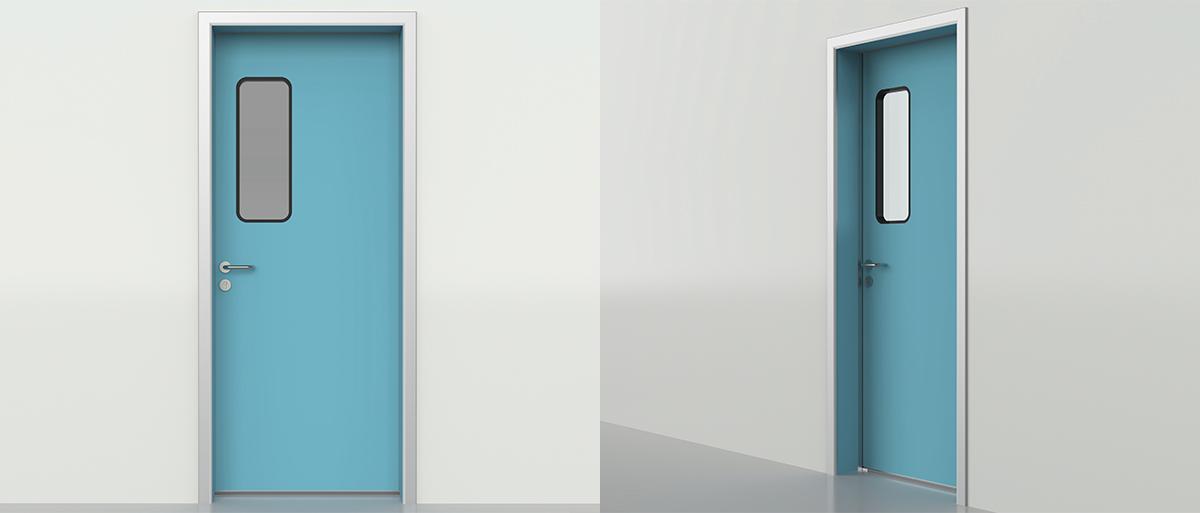
The airtight swing door for wards and isolation rooms: a hinged leaf with perimeter compression seals, for the positions where a sliding door is impractical but the room still must be sealed.
Where a Swing Door Beats a Slider
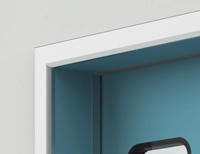
The airtight swing door is a hinged door with perimeter compression seals, designed for rooms where a sliding door is impractical: tight corridors, corners, or rooms with limited wall space on either side of the opening. When the leaf closes, the hydraulic closer drives it against a continuous silicone gasket running around the entire frame, creating an airtight barrier that maintains the room pressure differential.
Isolation Rooms and Negative Pressure
For isolation rooms, the door maintains negative pressure (2.5-10Pa below corridor) to contain airborne pathogens. Vision panels in tempered glass allow nursing staff to observe patients without opening the door. For airborne-infection isolation rooms (AIIR), the vision panel frame is sealed to the same airtightness standard as the door perimeter.
Leaf Materials: HPL or 304 Stainless
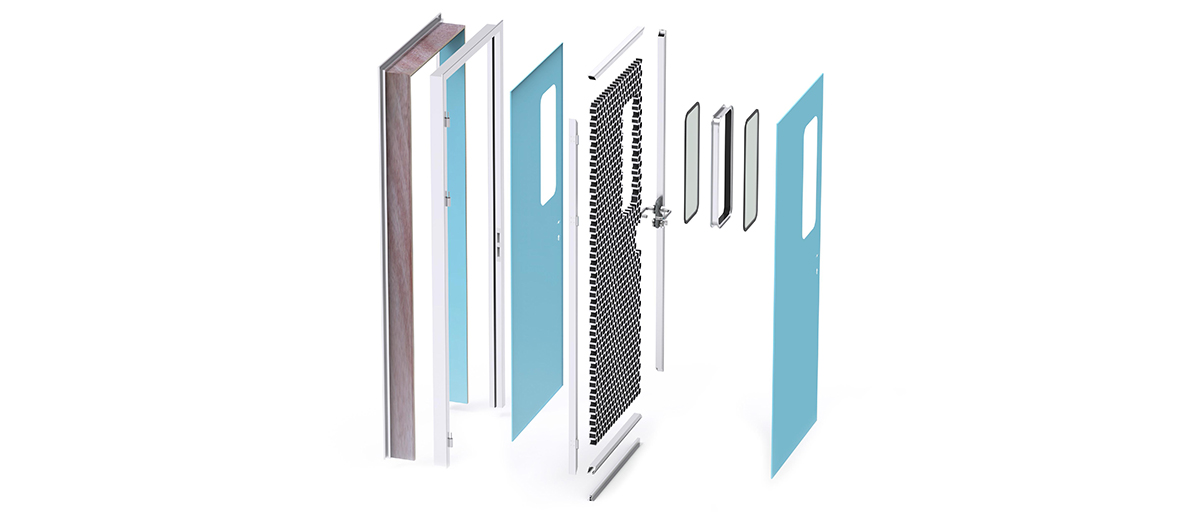
The door leaf uses HPL laminate on both faces (antibacterial finish) over a honeycomb or mineral core. Stainless steel (304) is available for CSSD, wet areas and pharmaceutical cleanrooms. All surfaces withstand daily disinfectant wipe-down with alcohol, chlorine or quaternary ammonium agents.
Single and Double Leaf Configurations
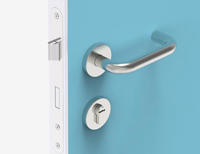
Single-leaf configurations suit standard door openings and isolation patient rooms. Double-leaf pairs serve trauma suites and main theatre corridors; one leaf can be held with a flush bolt for everyday single-leaf operation, released when full-width passage is needed for beds and equipment.
Hydraulic Closing and Compression Seals
Sealing a hinged door is a closing-force problem, and the hydraulic closer solves it: every close compresses the perimeter gasket evenly, and the closer's speed and latch action are adjustable to the room's traffic. The result is an airtight swing door that staff never have to remember to push shut - the seal is made the same way on every cycle, shift after shift.
Ordering and Positioning
Swing doors quote position by position like everything else: leaf width and handing from the corridor geometry, seal class from the room's pressure duty, vision panel and closer settings from the nursing workflow. Double-leaf pairs are coordinated so both leaves close in order, and every set ships labeled to its position with the closer pre-set to its leaf. Production runs 20-35 days after drawing confirmation.
Frequently Asked Questions
When should we choose a swing door over a slider?
Where the wall cannot take a sliding track: tight corridors, corner positions, or rooms with limited wall length. The swing leaf delivers the same airtight sealing class with a smaller footprint of hardware.
How does the door hold isolation-room negative pressure?
The perimeter compression seals close the leakage paths that would let air leak in around the leaf, so the room's exhaust system can hold its 2.5-10Pa negative offset against the corridor reliably.
Can staff observe patients through the door?
Yes - tempered glass vision panels let nursing staff check the room without breaking the seal by opening the door.
Is the closer adjustable?
Yes. Closing speed and latch action are adjustable on the closer body, so the door is easy for staff to push but still completes its gasket-compressing close every time.
What is the lead time?
Production runs 20-35 days after drawing confirmation, with closers paired and set to their leaves before shipment.
Product Detail Images

Related Products
-
Airtight Automatic Sliding Door for Operating Rooms & Cleanrooms
MODEL NO.: FHD-202
-
Glass Airtight Automatic Door for Operating Rooms & ICU Entrances
MODEL NO.: FHD-203
-
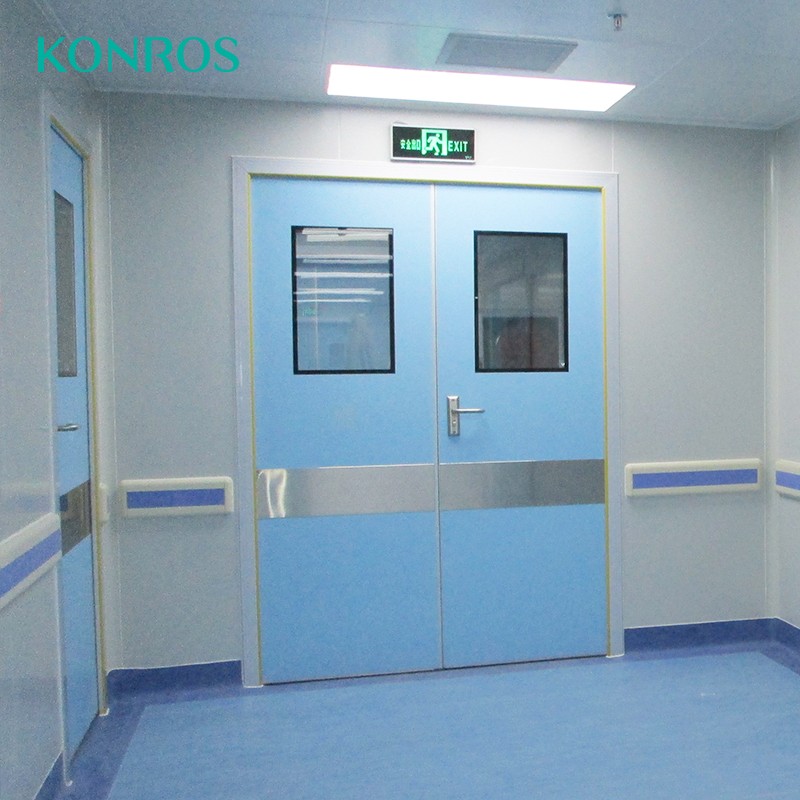
Operating Theatre Door for Medical Facility
MODEL NO.: FHD-303
-
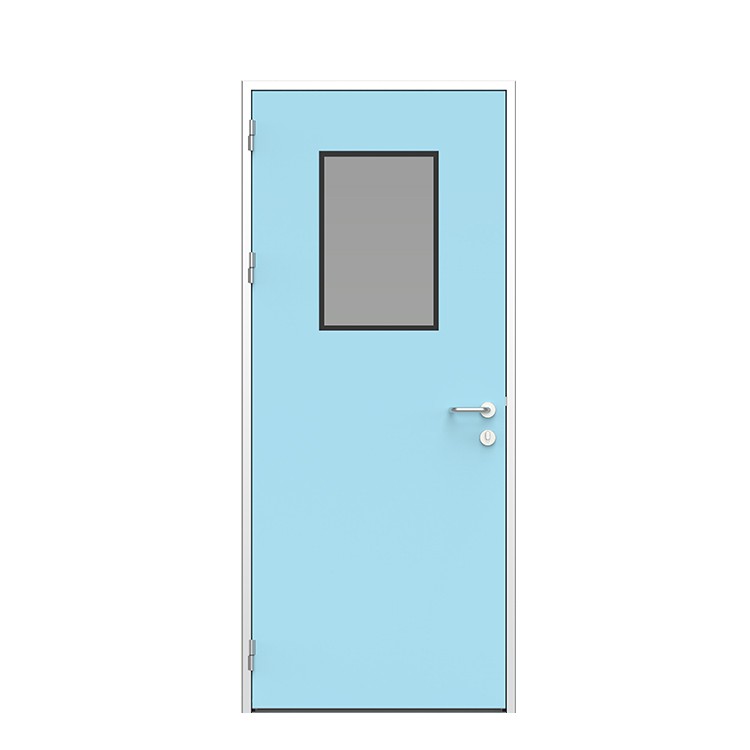
Lead Lined Door for CT Scan Rooms
MODEL NO.: FHD-103
-
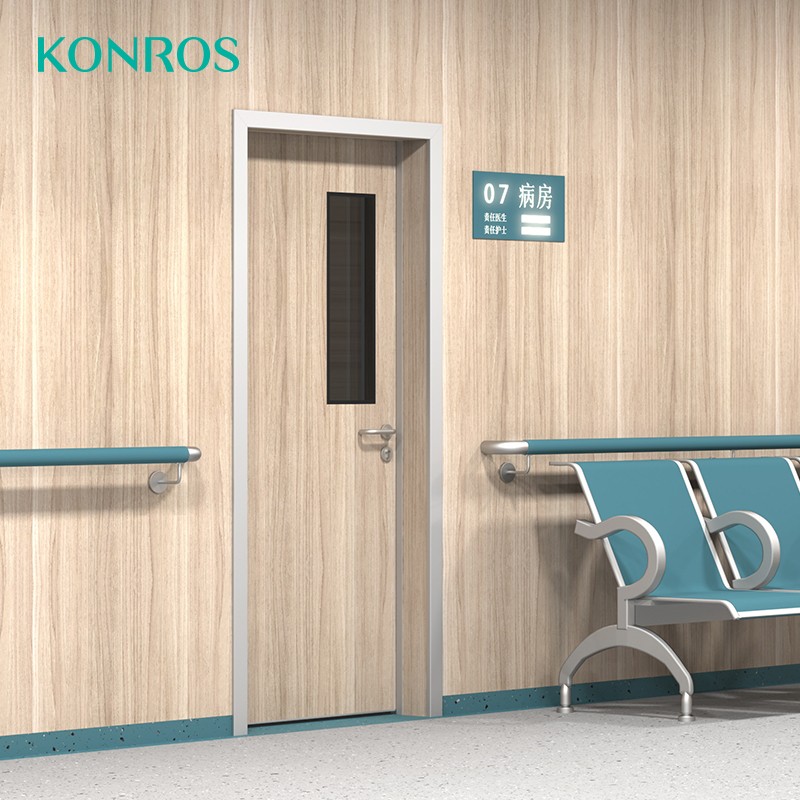
Clean Room Door Interlocking System for Cleanrooms & CSSD
MODEL NO.: FHD-101
-
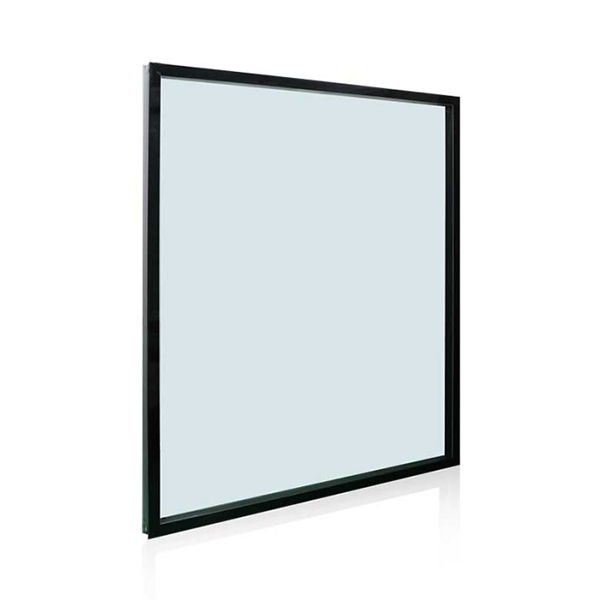
Flush-Mount Cleanroom Viewing Window
MODEL NO.: GW-110
Get the latest price? We will reply as soon as possible (within 12 hours)