Ward Door Materials Compared: Powder-Coated Steel vs HPL Laminate
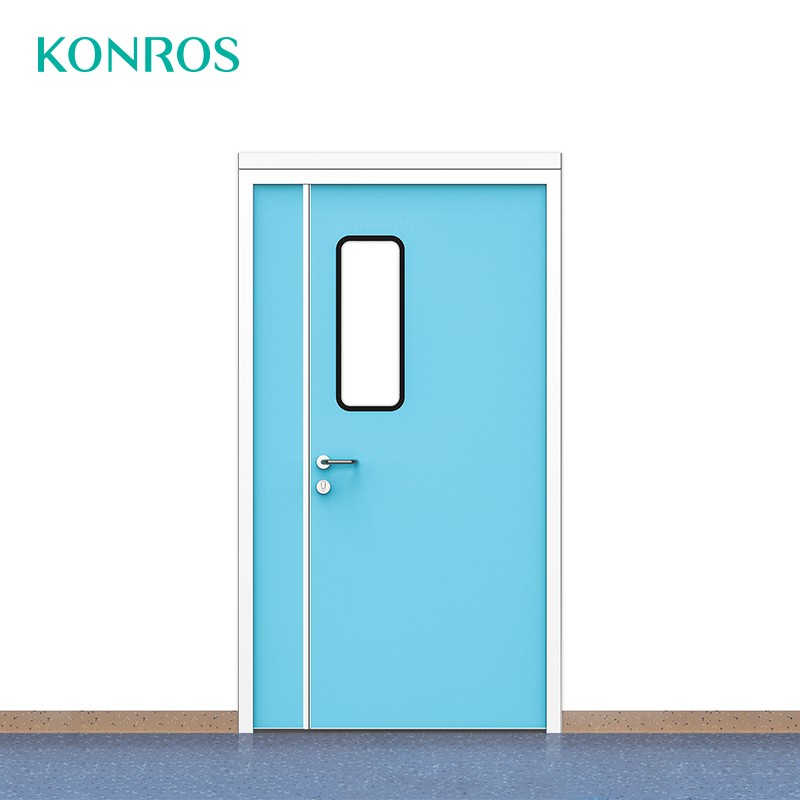
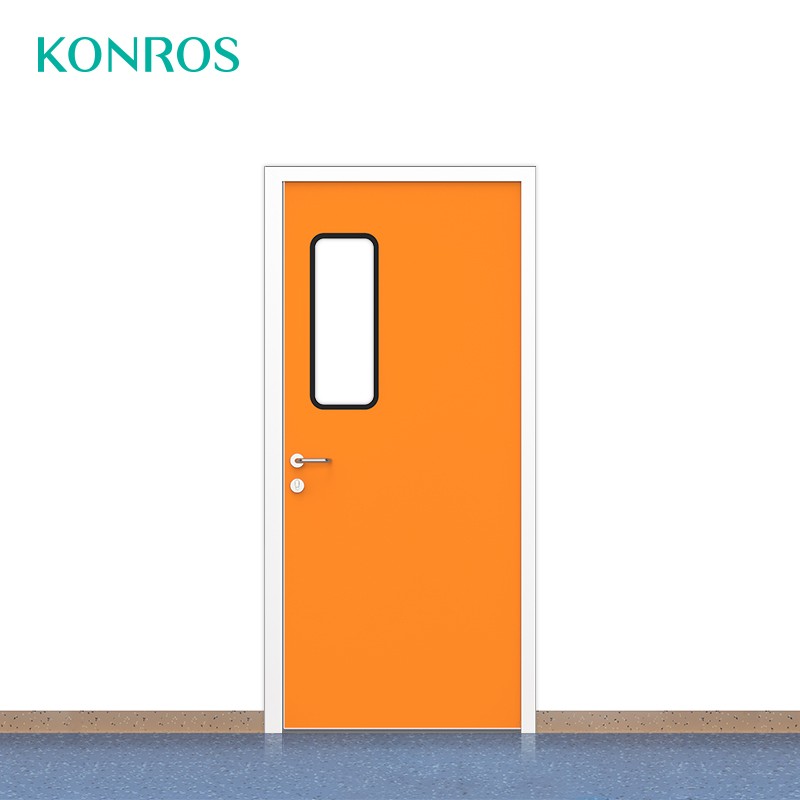
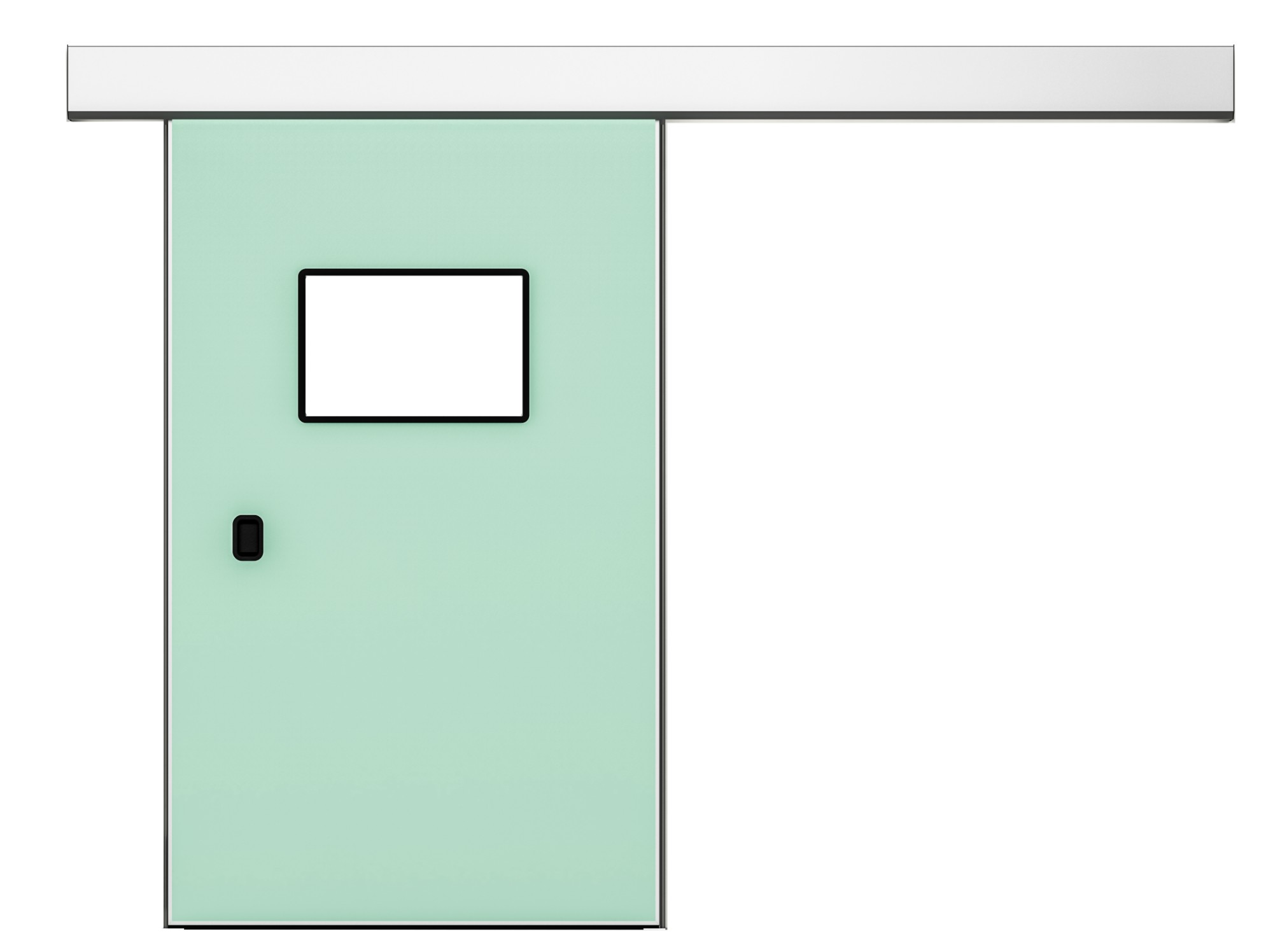
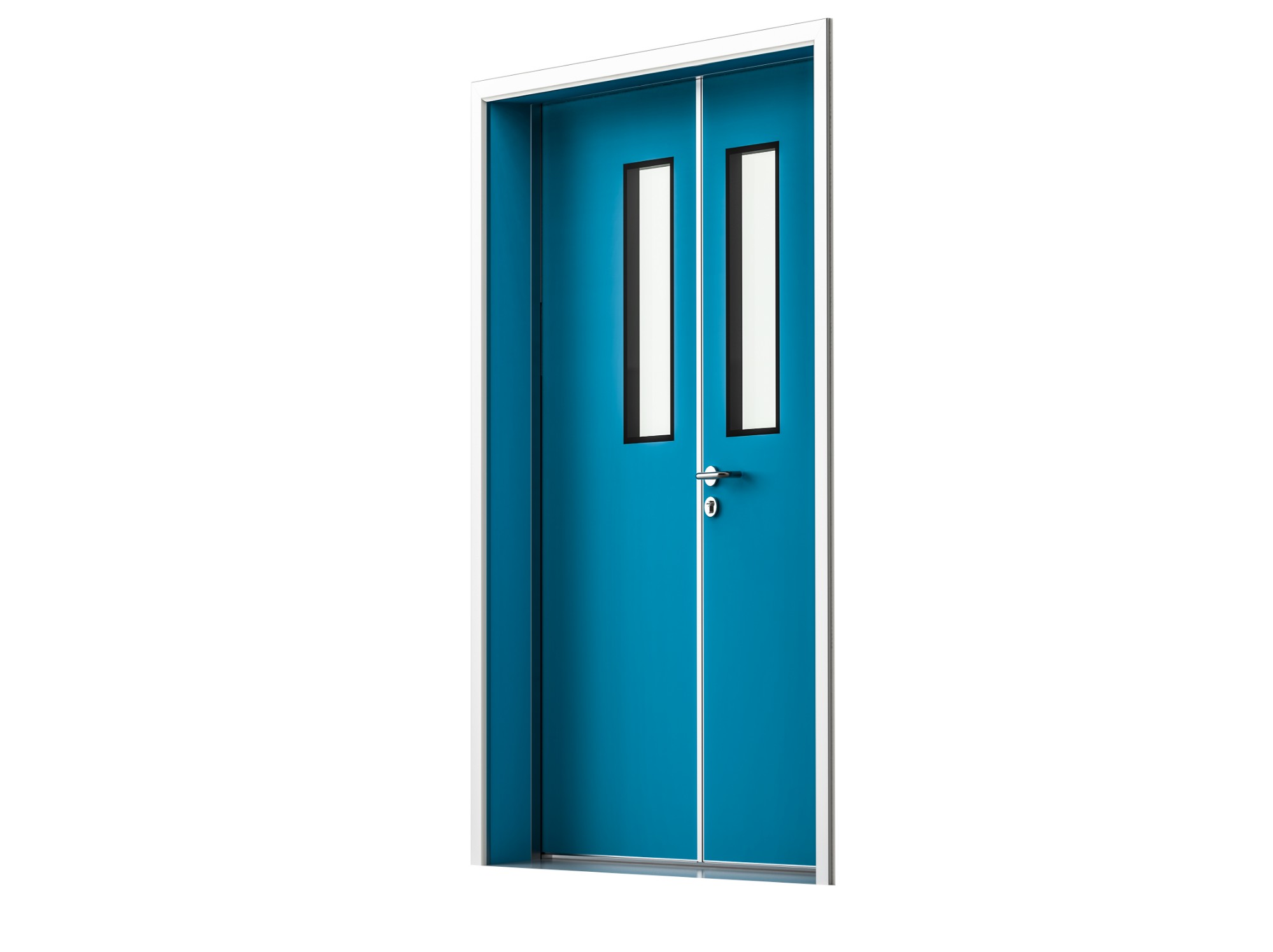
Walk through any modern hospital and you will pass both powder-coated steel doors and HPL laminate doors, often in the same corridor. Choosing between them per department - rather than by habit - gets better results from the same budget.
Steel: the durability benchmark
Powder-coated steel is what abuse-tolerant looks like in this industry. The leaf shrugs off bed corners and trolley strikes, edge reinforcement handles the leading-edge punishment, and antibacterial powder coats tolerate the strongest daily disinfection. Where doors live hard lives - dirty utility, kitchens, service corridors, CSSD wash zones, main entrances - steel pays back its price premium in years of not being replaced.
HPL: the quiet all-rounder
High-pressure laminate over a honeycomb or solid core delivers the cleanability hospitals need at a lighter weight and a friendlier price. Modern HPL grades resist the standard disinfectant arsenal, take colour and printed inserts beautifully - pediatric and maternity corridors stop looking institutional without losing clinical surfaces - and re-face cheaply after damage. For patient rooms and standard wards, HPL is the rational default.
The decision, zone by zone
- Patient rooms and wards: HPL - cost, colour, cleanability; impacts are moderate.
- Corridors and cross-passages: HPL with kick plates, or steel on the busiest routes.
- Dirty utility, kitchens, service areas: steel, full stop.
- CSSD and wet zones: stainless or sealed steel against steam and chemicals.
- Theatres and clean zones: either - hermetic sealing and glazing dominate the spec; the face is hygiene and aesthetics.
The details that beat the material choice
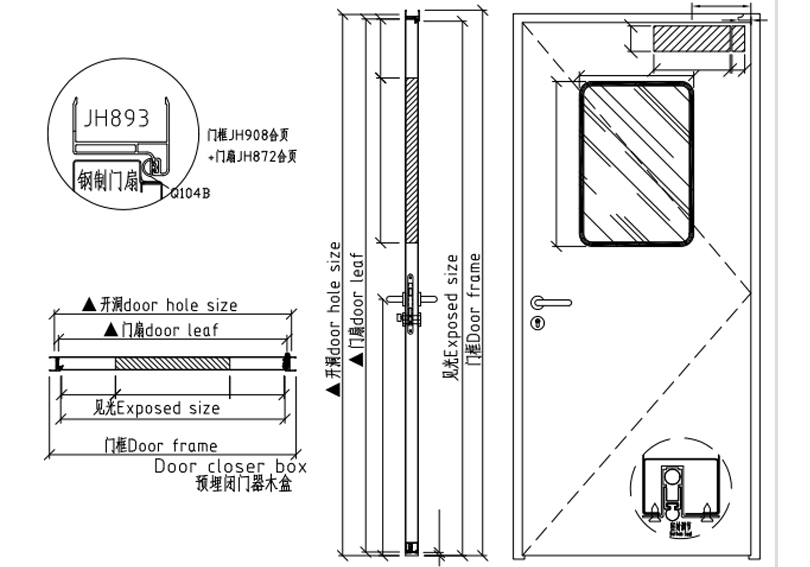
Whichever face you pick, the failures happen at the edges: unsealed HPL edges drink mop water and swell; steel edges without reinforcement dent and take the coating with them. All four edges sealed or lipped, no exposed fixings, and vision panels bonded into the leaf - these details decide year-five appearance more than steel-vs-HPL ever will.
Weight and hardware consequences
Steel leaves run heavier, especially glazed or lead-lined, which flows into hinge classes, closer adjustment and operator sizing. HPL on honeycomb keeps leaves light enough that hardware budgets stay modest. If a department mixes both - common and sensible - keep the hardware schedules separate; a closer tuned for steel will slam an HPL leaf.
A one-line rule worth remembering
Choose the face by what will hit the door, not by what the sample looks like on the table. Where trolleys hit, steel; where people pass, HPL; where water stands, stainless. The corridor tells you the answer if you walk it before specifying.
Comparison table: steel vs HPL at a glance
- Impact tolerance: steel sets the benchmark; HPL is respectable with kick plates and reinforced edges.
- Moisture: stainless for standing water; HPL thrives when edges are sealed; powder-coated steel holds the middle ground.
- Chemicals: both take clinical disinfectants in spec-grade finishes; off-list agents defeat both equally.
- Weight and hardware: steel runs heavier - hinge and closer budgets rise; HPL on honeycomb keeps hardware modest.
- Aesthetics and wayfinding: HPL takes colour, prints and departmental themes; steel is honest grey or coated RAL.
- Budget behaviour: HPL cheaper at purchase; steel cheaper per decade in abuse zones.
Department-by-department recommendation
- Inpatient wards: HPL, sealed edges, kick plates at trolley height.
- Pediatric and maternity: HPL colourways and prints - clinical core, friendly face.
- Service corridors and dirty utility: powder-coated steel, full stop.
- CSSD and wet zones: stainless steel faces and frames.
- Theatres and clean zones: either face; sealing and glazing dominate the specification.
FAQ
Are steel or HPL doors better for hospitals?
Better for which zone: steel where trolleys and water live, HPL where people live. Both are clinical-grade when edges are sealed and finishes are specified for disinfectants; both fail as "hospital doors" when bought on appearance alone.
Which is more hygienic, steel or HPL?
Both wipe down to the same standard in spec-grade finishes - hygiene lives in sealed edges, coved details and no exposed fixings, not in the material brand. Stainless wins only where water or steam stands.
Which lasts longer?
Steel in abuse zones - dents push out and coatings hold; HPL in people zones - years of clean service and cheap re-facing after damage. The enemy of both is the same: water in unsealed edges.
Can HPL doors take lead lining or fire ratings?
Yes - lining and certification live in the core and assembly, independent of the face. A lead-lined, EI-rated HPL doorset is ordinary work for a medical door factory.
How do I price steel vs HPL fairly?
Per decade, per zone: purchase plus hardware class plus expected re-facing or replacement. The corridor's traffic answers the question more honestly than the sample board.
How do HPL doors handle impact from beds?
Well when the details are right: honeycomb or solid cores with reinforced edges, kick plates at trolley height, and impact-rated HPL grades. The material is not the weak point - the un-reinforced edge and the missing kick plate are.
Which material is faster to repair or re-face?
HPL: damaged panels and edge lippings re-face cleanly on site between shifts. Steel dents push out and coatings patch, but a creased steel leaf usually stays creased. Maintenance crews develop strong, informed opinions on both.
The sample board versus the corridor
Sample boards decide door faces in meeting rooms; corridors decide them again in year three. The honest process walks the busiest route of the actual hospital - trolley heights visible as scars on existing doors, mop lines at the skirting, sunlight on the south face - and specifies from evidence. Materials science is settled; the site is still arguing.
Can HPL and steel doors match visually?
Largely yes - powder-coated steel takes RAL colours close to HPL decors, and stiles or face inlays bridge the rest. Departments specify mixed doors that read as one family while each zone gets its right material.
What do antibacterial coatings actually do?
They supplement cleaning, never replace it - finishes that resist microbial survival between wipe-downs. The specification that matters is chemical resistance to the cleaning agents, because the best antibacterial surface is the one being cleaned.
How do I repair a chipped HPL door edge?
Factory-matched edge banding and adhesive kits, fitted between shifts - the repair economy of HPL is one of its quiet advantages. Sealed edges restored, warranty vocabulary intact.
Are coloured doors harder to keep clean?
No - the finish system carries the cleanability, not the pigment. Dark decors show dust, light decors show scuffs; the cleaning schedule is colour-blind either way.
Steel where the trolleys live, HPL where the people live - and sealed edges everywhere, always.