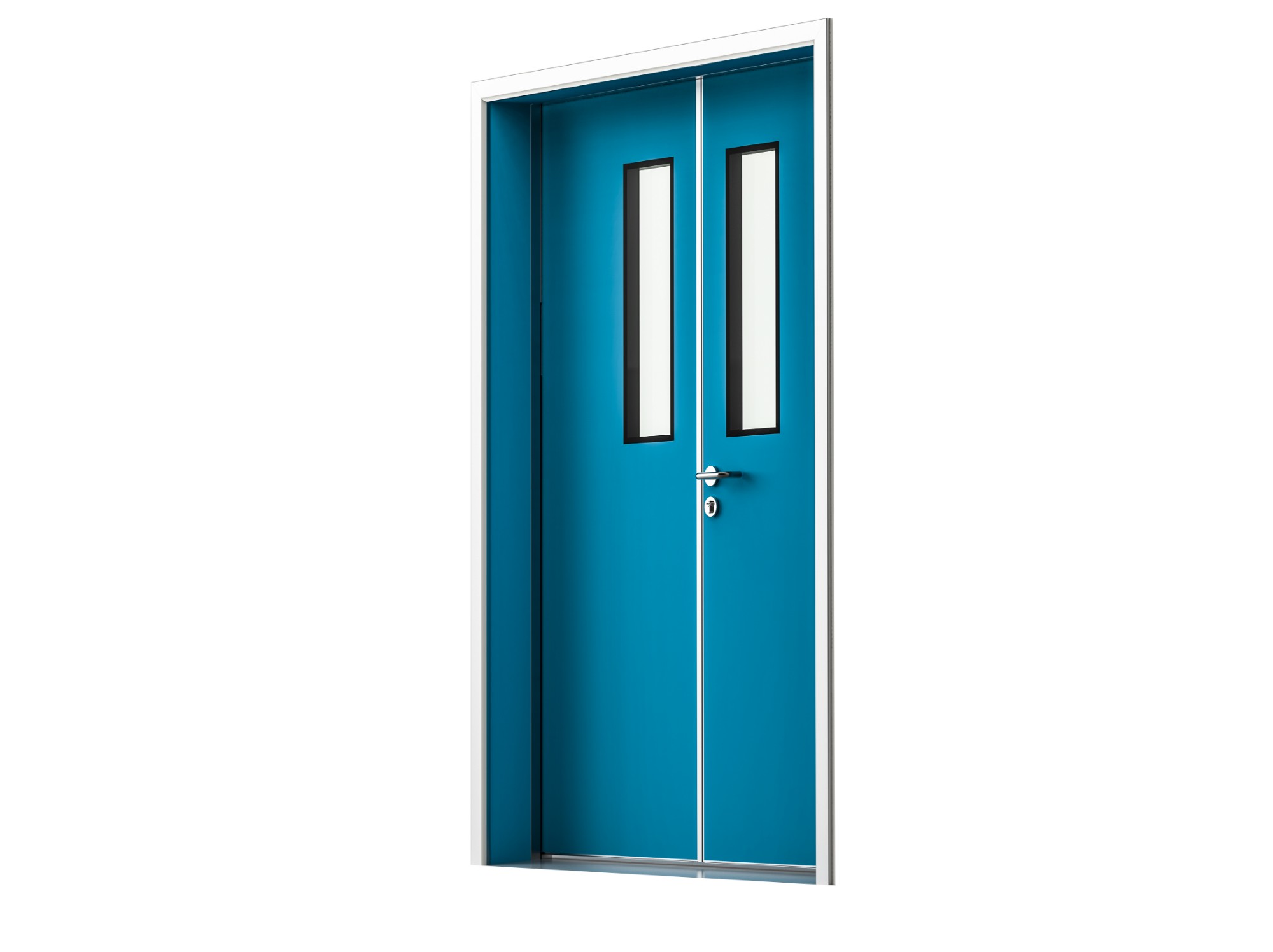
How Our OEM/ODM Process Works for Medical Door Projects
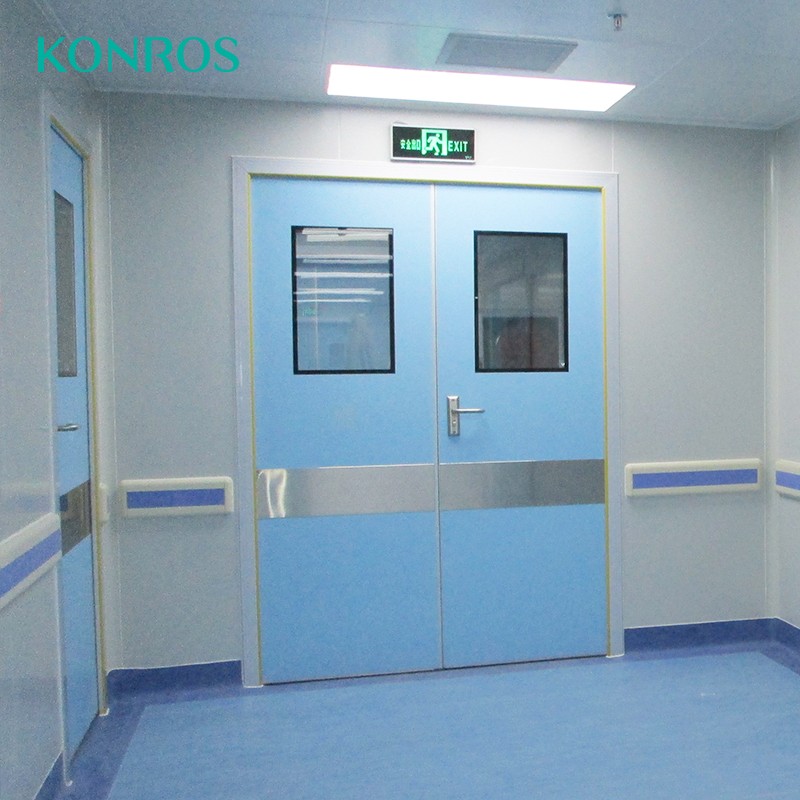
Most hospital door projects we ship are not standard catalogue orders. Distributors and contractors come to us with room schedules, wall types and local requirements that demand custom sizes, finishes and configurations. This article walks through how our OEM/ODM process turns those requirements into delivered containers - who does what, in which order, and how long each step really takes.
Step 1: The door schedule is the conversation
Send us what you have - opening sizes, wall thicknesses, door types per room - in any format: spreadsheets, marked-up PDFs, photos of drawings on a site wall. Our engineering team converts it into a door-by-door production list and flags conflicts while they are still free to fix: oversized leaves that need reinforced operators, lead-lined sets where the frame lining was missed, openings whose finished dimensions changed after measurement. This review round typically saves more money than any negotiation that follows it.
Step 2: Engineering confirmation - where the project becomes real
You receive a drawing package per door type: leaf, frame, hardware, glazing, activation, finishes. This is the moment to argue - every later change costs schedule. We confirm interfaces that fail silently when ignored: wall pocket depths for hermetic frames, power positions for operators, threshold details against the finished floor. Sign the drawings and the specification is locked with a price and a production slot.
Step 3: What can be customized - the honest list
- Sizes: any practical opening; wide and double-leaf sets with synchronized operators.
- Surfaces: HPL colours and prints, powder-coat RAL shades, stainless faces for wet zones.
- Shielding: lead lining to the room physicist's plan - leaf, frame and glazing as one set.
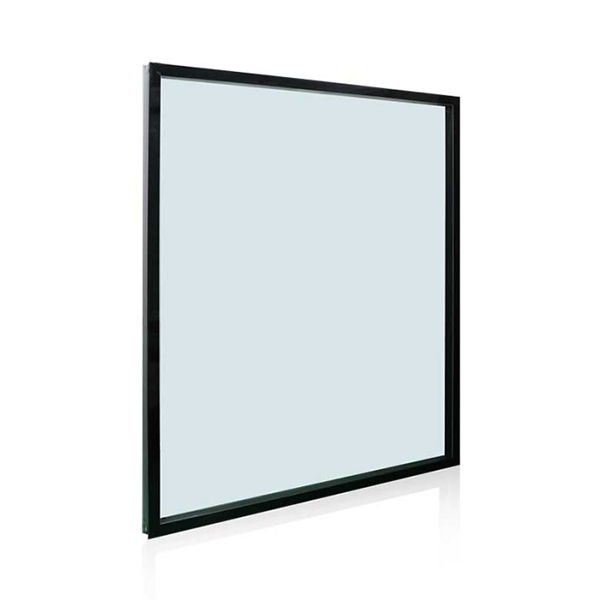
- Glazing: sizes, laminated and leaded options, anti-fog treatment.
- Hardware and activation: radar, foot, touchless, card and interlock packages; anti-ligature sets for behavioral health.
- Branding: ODM projects carry your logo, labels, colour scheme and packing marks - your customers never see our name.
Step 4: Production and the checks inside it
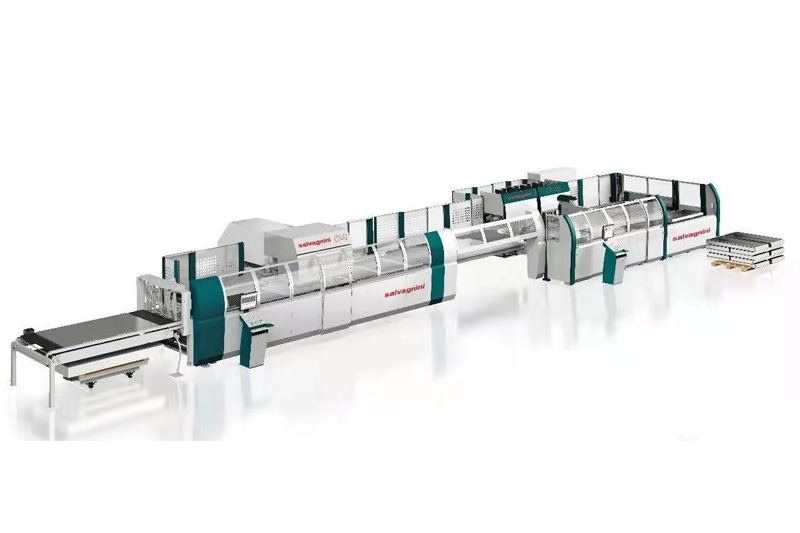
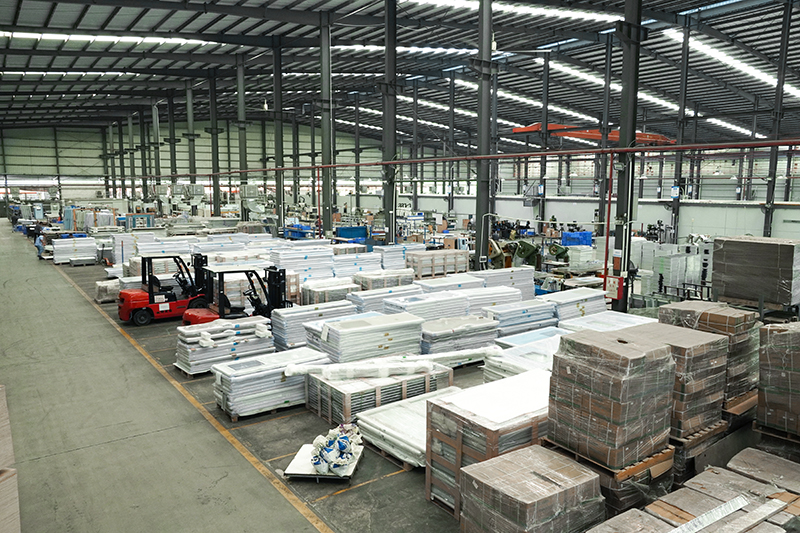
Production runs door-set complete: one leaf stays with its frame, hardware and seals through the line - the logic that makes a hermetic door arrive hermetic. Inline checks cover seal placement, operator function and glazing set; lead-lined sets get shielding verification at the laminate stage, before the lining is invisible forever. Third-party inspection is welcome at any point; we build the schedule to make SGS/TUV visits easy rather than theatrical.
Step 5: Packing and documents
Door sets travel in export packing rated for the route - container sea freight is the default assumption, not an afterthought. The document file per shipment matches the door schedule: packing list door by door, set-completeness photos on request, test and material certificates for the specifications that asked for them. ODM shipments carry your documents, your marks, your brand.
Timeline reality
Typical cadence: drawing confirmation one to two weeks, production four to six weeks for most custom sets (longer for large lead-lined packages), sea freight per route. The schedule killer is never the factory - it is the unsigned drawing. Projects that answer the engineering round in days, not weeks, get containers months earlier than projects that negotiate price while the production slot idles.
What we need from you to start
- The door schedule - in any state; we will interrogate it together.
- Wall types and finished-floor information for the critical openings.
- Shielding plans for imaging rooms, where they exist.
- Your branding and documentation requirements if this is ODM.
Send those four items and the first drawing package follows. Custom doors are not harder than catalogue doors - they are just a conversation done properly, in order, with the arguments held early.
Questions every OEM client asks in week one
- Can you match our existing catalogue dimensions? - Yes; send the incumbent drawings and the schedule maps onto them.
- Can hardware come from our nominated brands? - Where the specification requires it, subject to the assembly logic of any certified performance (fire, safety) carrying through.
- What about our packaging, labels and manuals? - ODM shipments carry your documents, marks and brand end to end; your customer never reads our name.
- Minimum order quantities? - Project-scale MOQs, quoted per programme; a single-hospital order and a distributor framework are different conversations and different prices, both honest.
- Who owns the drawings? - Client-specified designs stay the client's; our engineering deliverables support your order, not your competitor's.
Quality control inside the line
Verification happens while it is cheap: seal placement checked before the leaf closes for good; operator function tested on the set, not the component; lead-lined laminates verified at the lamination stage, before the shielding is invisible; glazing set and marked against the schedule. Final inspection photographs per doorset on request - the packing list, the photos and the schedule tell one story.
FAQ
What is the difference between OEM and ODM for doors?
OEM: our door, your label, your sizes and options on an agreed platform. ODM: your product - your design language, colours, branding and documentation - manufactured to the same clinical and evidential standards. Both start the same way: the door schedule and the drawings.
How long does a custom door order take?
Cadence to plan around: drawings and confirmation one to two weeks, production four to six for most custom sets, longer for large lead-lined programmes, then freight by route. The variable that actually decides the calendar is how fast drawings get signed.
Can you produce to our brand completely?
Yes - logo plates, colour scheme, labels, manuals, packing marks and documents in your identity. The factory disappears; the quality does not.
What if our specification conflicts with certification?
We flag it at the engineering round - before anything is cut. Certified performances (fire, safety, leakage) belong to tested assemblies; we tell you which custom requests bend, which break, and which are free.
Do you support third-party inspection?
Routinely - SGS, TUV or your QA team, at agreed stages, with the schedule arranged to make their visits meaningful rather than ceremonial.
What separates a smooth OEM programme from a saga
Three habits: drawings signed quickly, changes held to the engineering round, and one named person on each side who owns the schedule. The factories are full of capacity; the programmes are full of pending approvals. Clients who internalise that the unsigned drawing is the bottleneck receive containers while their competitors are still negotiating unit prices with someone else's calendar.
Can Fenghe produce to European or US certification schemes?
Yes - leakage, fire classification and operator safety evidence per the standards this site documents throughout, plus inspection arrangements with third parties at agreed stages. The certificate file travels with the ODM brand if that is the programme.
How are disputes or defects handled after delivery?
Documented process: photographs and schedule references on report, engineering assessment within agreed days, remedy per contract - replacement, rework or credit. The door-by-door documentation built during order exists precisely so after-sales conversations start with facts.
Can small distributors start with modest volumes?
Yes - programme-scale MOQs flex for serious smaller partners, especially on shared platforms with custom branding. The conversation starts with the schedule and the market plan; the factory answers with numbers.
How is packaging waste handled for export doorsets?
Reusable crates and returnable packing options exist on framework programmes - sustainability that survives procurement usually arrives as a logistics line, not a values slide.
OEM is a process, and the process works: schedule, drawings, factory, file, container. Bring the first document; the rest follows on rails.