
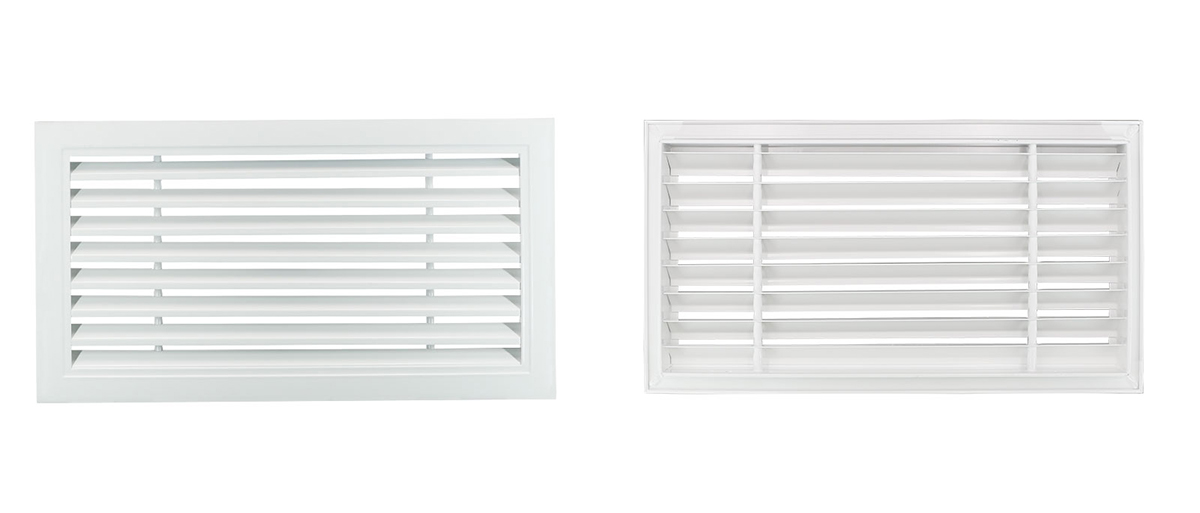
PVC Hinged Air Return Grille - No Damper, White Finish
MODEL NO.: FHD-308
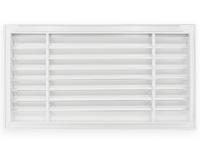
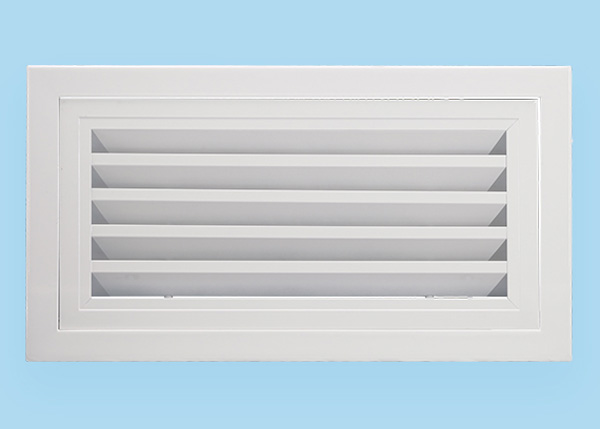
- Return air grille with hinged face - opens for filter access and cleaning
- No damper: minimal pressure drop on the return path
- High-density PVC in white - integrates with ward ceiling schemes
- Mounts on ceilings, walls or floors over open ductwork
- Controls return-air spread to protect filters from uneven loading
- Economical for ward-scale quantities and phased replacements
Product Details
Product Features
- Return air grille with hinged face - opens for filter access and cleaning
- No damper: minimal pressure drop on the return path
- High-density PVC in white - integrates with ward ceiling schemes
- Mounts on ceilings, walls or floors over open ductwork
- Controls return-air spread to protect filters from uneven loading
- Economical for ward-scale quantities and phased replacements
Product Parameters
| Model | PVC-001 |
|---|---|
| Grille type | Open hinged return air grille |
| Face sizes | Standard ceiling modules / custom to drawings |
| Free area | High free-area blade pattern |
| Pressure drop | Low (no damper) |
| Damper | No damper |
| Material | High-density PVC |
| Finish | White |
| Mounting | Ceiling / wall / floor |
| Face | Hinged, opens for access |
| Applications | Wards, hospital return paths, cleanroom return sides |
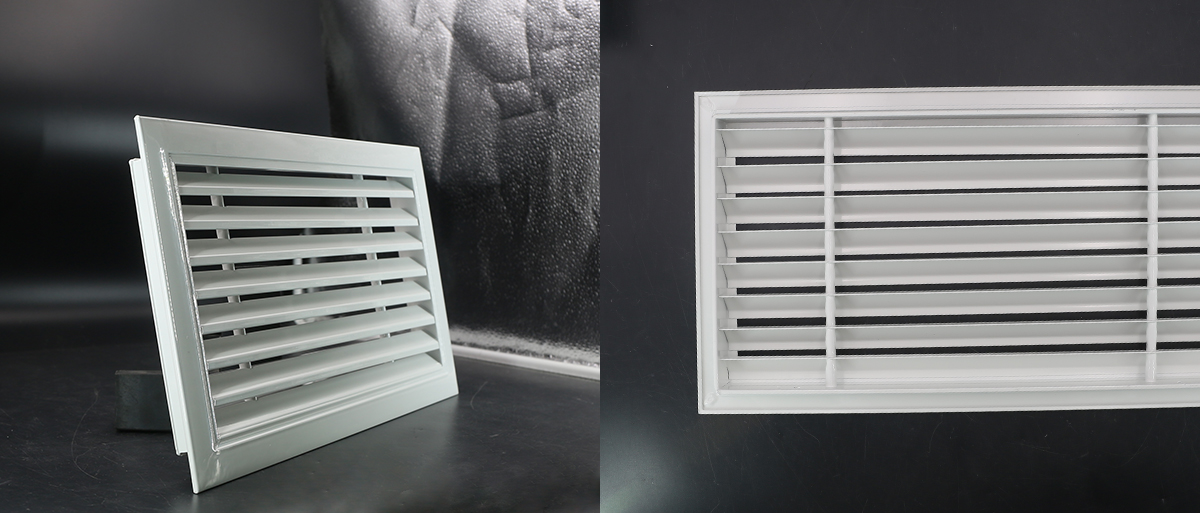
A return air grille with a hinged white face and no damper - the quiet half of every ceiling. Supply diffusers push conditioned air into the room; this grille simply collects it again, with the lowest possible resistance, and opens on a hinge whenever the filter behind it needs attention.
What a Return Air Grille Does in a Pressure Cascade
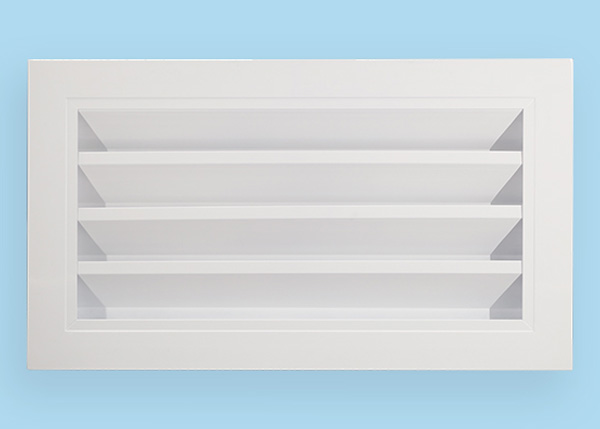
Hospital ventilation runs on pressure cascades: air moves from clean zones toward less clean ones, room by room, along a deliberate gradient. The return grille is where each room hands its air back to the path - and its job is to do that without disturbing the cascade. An open, high-free-area blade pattern collects air evenly; no mechanism throttles it; the room's pressure relationship stays where the design put it.
Why No Damper: Minimising Pressure Drop
A damper on a return face is a solution looking for a problem. Balancing belongs on the supply side and at duct dampers, where measurements are taken; the return path wants minimum resistance so the fan energy goes into moving air, not squeezing it. Leaving the damper out also removes a blade edge that collects dust and a linkage that eventually sticks. Less hardware, less pressure drop, less to clean - the grille does its one job better.
Hinged Face for Filter Access and Cleaning
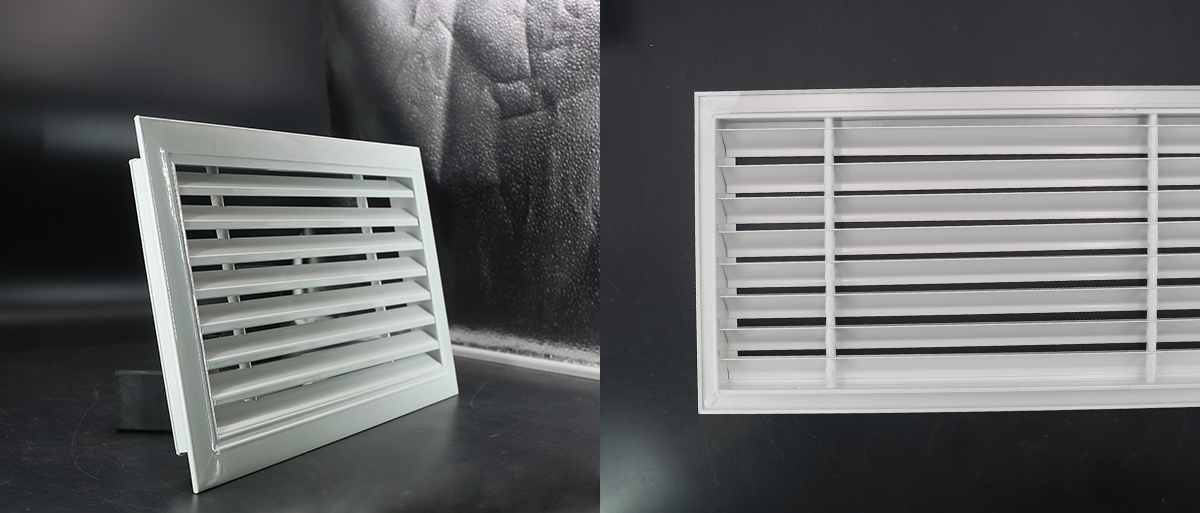
The face hinges open without tools: swing it down, and the filter behind the grille is fully exposed for replacement or wiping - both sides of the face clean in the same visit. On a ward ceiling plan with dozens of return openings, that turns a screwdriver afternoon into a five-minute round, and it means the grille actually gets cleaned on schedule rather than when someone finds the driver bit.
Ceiling, Wall and Floor Mounting
The same grille body covers open ductwork on ceilings, walls and low-level return paths - useful in pressure-cascade designs that return air at floor level in some rooms and at ceiling in others. Faces come in standard ceiling modules or cut to drawings, white as standard to sit quietly inside ceiling schemes.
White Finish and Ceiling Integration
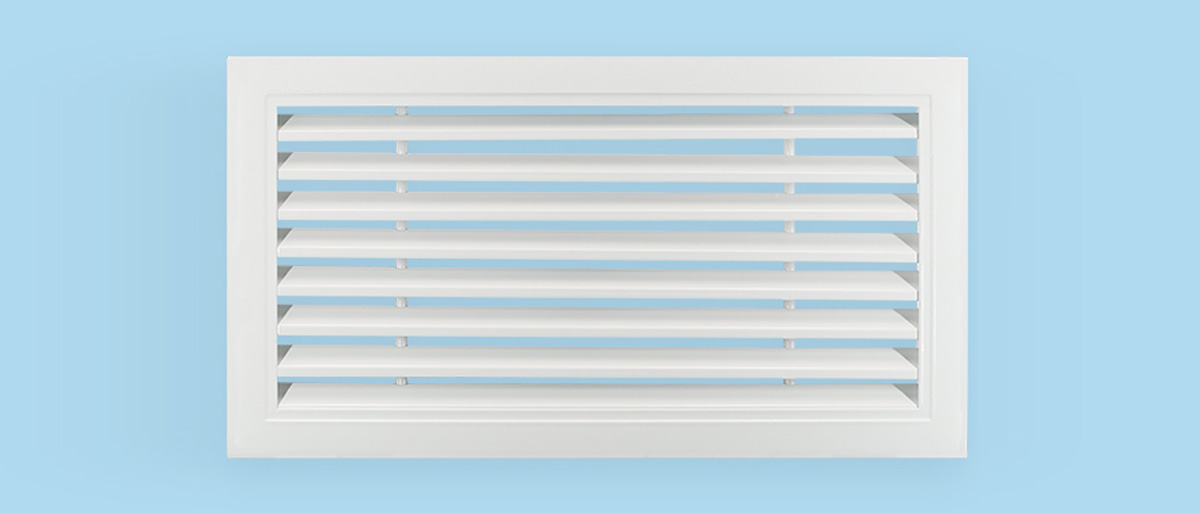
The white PVC face matches the mineral-fiber and cleanroom ceiling modules it sits among, so a ceiling full of return grilles still reads as a ceiling. High-density PVC holds its color, wipes with the same disinfectants as the ceiling plane, and takes the knocks of trolleys and bed rails without transferring dents to the duct behind.
PVC vs Aluminum Return Grilles
Our supply-side terminals - diffusers - are aluminum, and our cleanroom material policy is blunt about plastics on the supply side: plastic parts can shed and degrade where particle control matters. A return grille is a different duty: it faces no supply pattern, no particle-control role, and it is deliberately removable and washable as a unit. There, white PVC is the honest engineering choice - corrosion-free, color-stable, quiet in the ceiling, and economical across ward-scale quantities and phased replacements. Right material, right side of the room.
Ordering by Ceiling Schedule
Return grilles quote like everything else on this site: from the schedule. Send the ceiling plan with return positions, opening sizes and mounting faces, and we return a grille-by-grille confirmation - sizes, hinged faces, filter seating - with the quotation. Production runs 20-35 days, bundled by size with faces protected and labeled per room, so phased ward refurbishments draw their grilles in the same batches as diffusers, panels and frames.
Frequently Asked Questions
Why do wards often use PVC return grilles instead of aluminum?
Position and duty. This grille sits on the return side: it collects air rather than supplying it, so it faces no particle-control or supply-pattern demands. There, PVC's advantages win - a white finish that matches ceiling schemes, a hinged face for easy cleaning, and a unit cost that makes sense across the hundreds of openings a hospital ceiling plan needs. Our aluminum faces are reserved for supply terminals, where their material behavior matters.
How often should the hinged face be cleaned?
The face hinges open without tools, so cleaning follows the facility's own schedule - typically with the ceiling cleaning cycle. Because the face removes entirely, both sides and the filter behind it can be wiped in one visit; there is no grille-in-duct gap to work around.
Without a damper, is the airflow uncontrolled?
No - the grille is deliberately damper-free. Balancing happens on the supply side and at the duct's balancing dampers; the return path wants minimum resistance so the room's pressure cascade stays stable. A damper here would add pressure drop and a collection point for dust, with nothing to balance that the duct damper cannot do better.
Can a filter be fitted behind the grille?
Yes - the hinged face is designed for exactly that: open the face, seat or replace the filter medium, close it. That is one of the reasons the face hinges rather than screws shut.
What is the lead time?
Standard production runs 20-35 days after order confirmation, grilles bundled by size with the faces protected, labeled against the ceiling schedule.
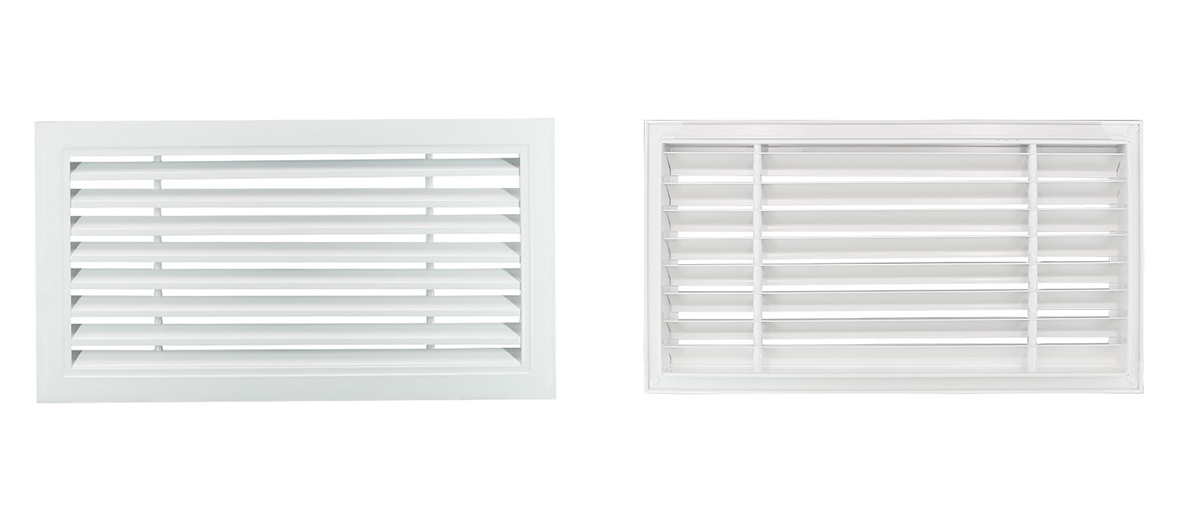
Product Detail Images
Related Products
-

Square Ceiling Diffuser FK003 with 4-Way Airflow
MODEL NO.: FHD-306
-

Round Swirl Diffuser FK025 for Optimal Air Supply
MODEL NO.: FHD-307
-
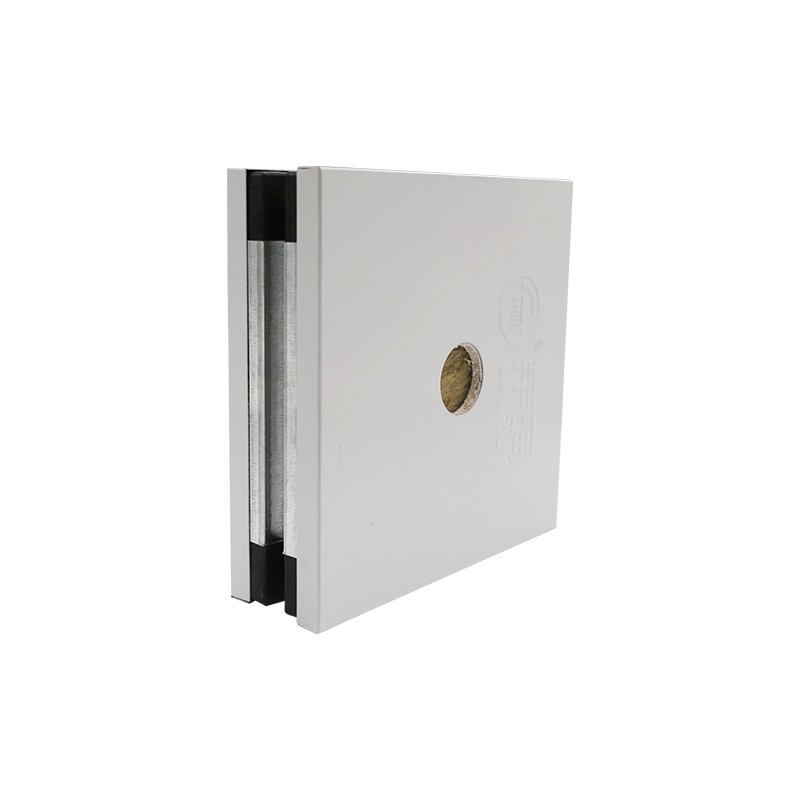
EPS / MGO / Rock Wool / Polyurethane Sandwich Panel
MODEL NO.: FHD-309
-
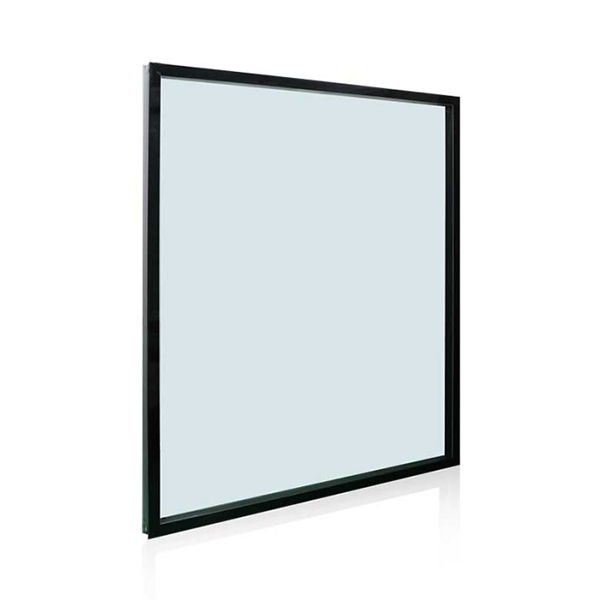
Flush-Mount Cleanroom Viewing Window
MODEL NO.: GW-110
-
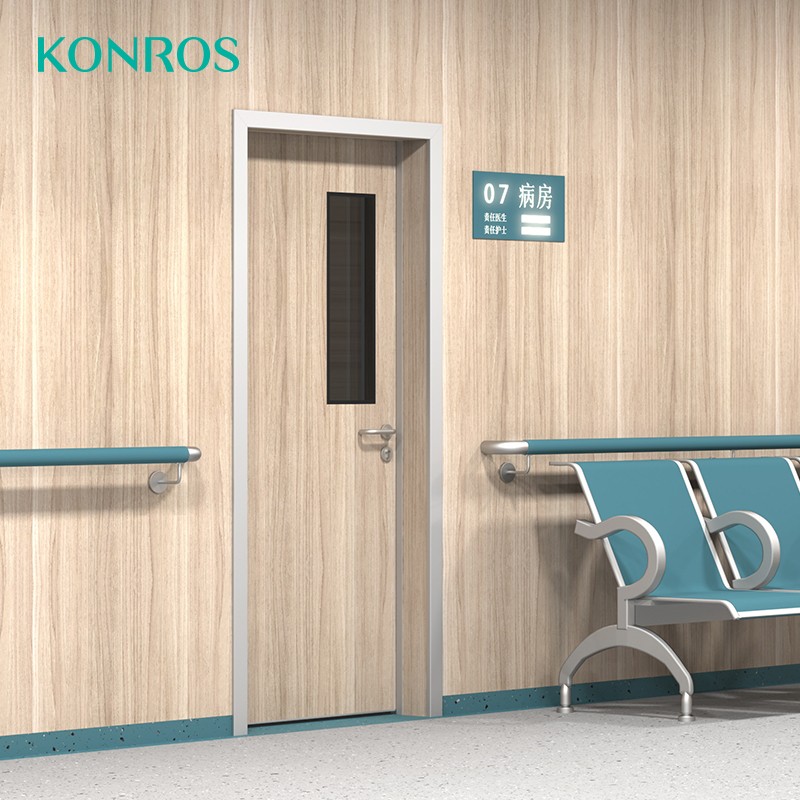
Clean Room Door Interlocking System for Cleanrooms & CSSD
MODEL NO.: FHD-101
-
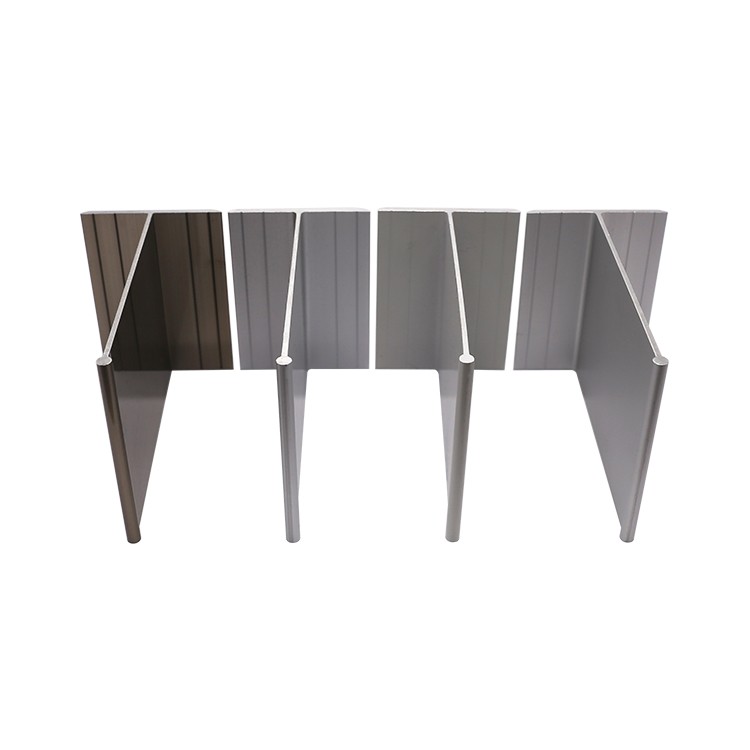
T Profile Ceiling Aluminum Alloy Fittings for Clean Room
MODEL NO.: FHD-304
Get the latest price? We will reply as soon as possible (within 12 hours)