
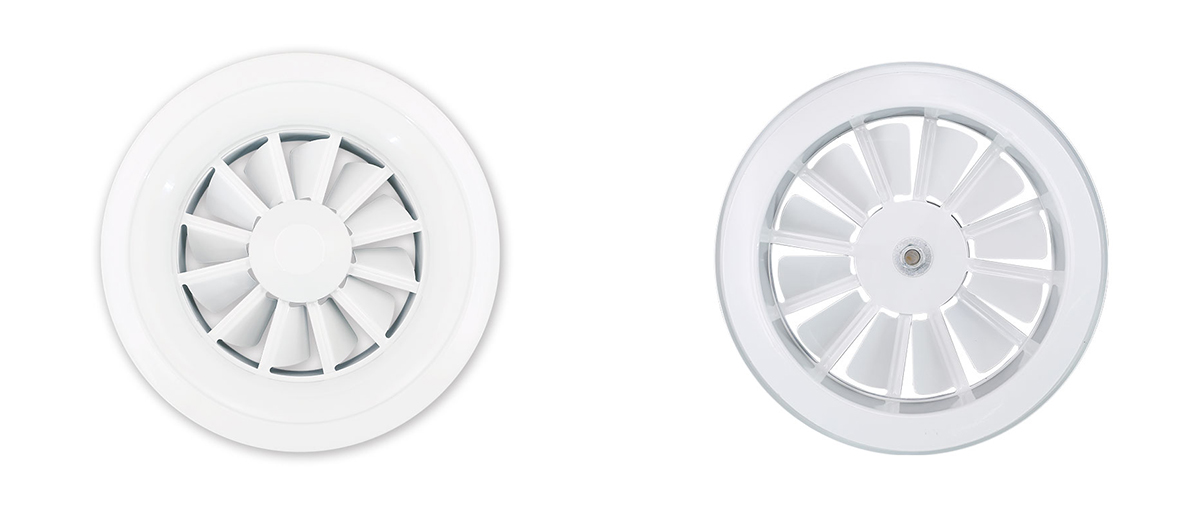
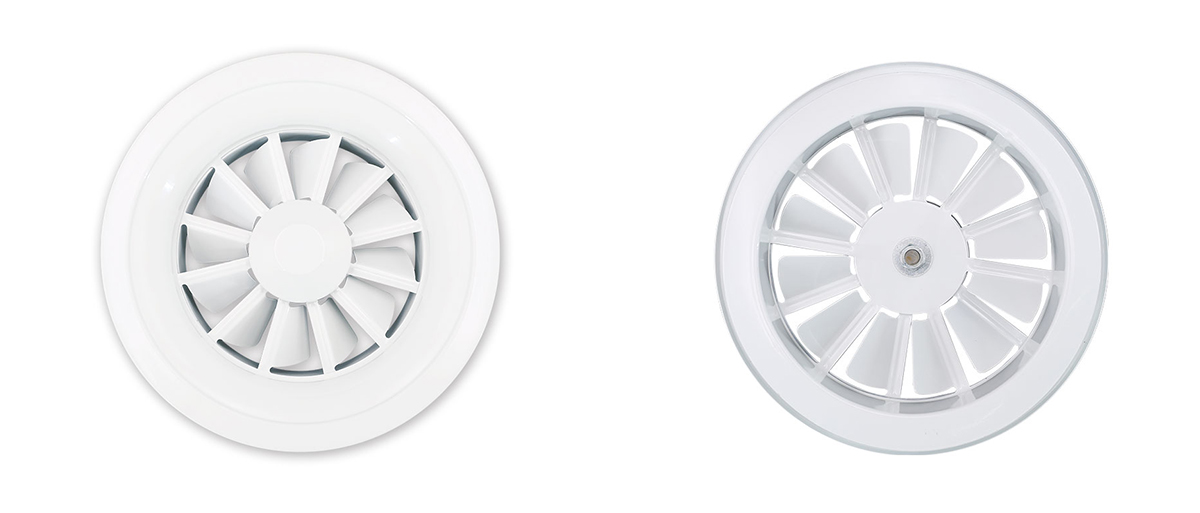
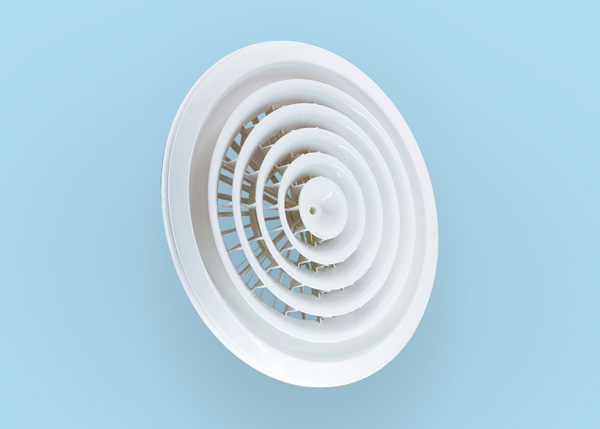
Round Swirl Diffuser FK025 for Optimal Air Supply
MODEL NO.: FHD-307
- Round swirl diffuser with adjustable air supply angle
- High-induction swirl mixes supply air rapidly into the room
- Handles large air volumes without temperature stratification
- Long throw suits high ceilings - theatres, airports, industrial halls
- Extruded aluminum face, anodized or powder-coated
- For operating theatres, pharma cleanrooms and high air-change rooms
Product Details
Product Features
- Round swirl diffuser with adjustable air supply angle
- High-induction swirl mixes supply air rapidly into the room
- Handles large air volumes without temperature stratification
- Long throw suits high ceilings - theatres, airports, industrial halls
- Extruded aluminum face, anodized or powder-coated
- For operating theatres, pharma cleanrooms and high air-change rooms
Product Parameters
| Model | FK025 |
|---|---|
| Diffuser type | Round swirl diffuser |
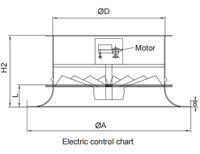
| Face diameter | Sized to project drawings |
| Airflow range | 50-2,000 m3/h (per size) |
| Induction | High induction ratio swirl pattern |
| Throw | Long throw for high ceilings |
| Pressure drop | 15-35 Pa |
| Noise level | NC25-NC40 |
| Material | Extruded aluminum |
| Finish | Anodized / powder-coated |
| Adjustment | Adjustable air supply angle |
| Applications | Operating theatres, pharma cleanrooms, airports, theaters, industrial halls |
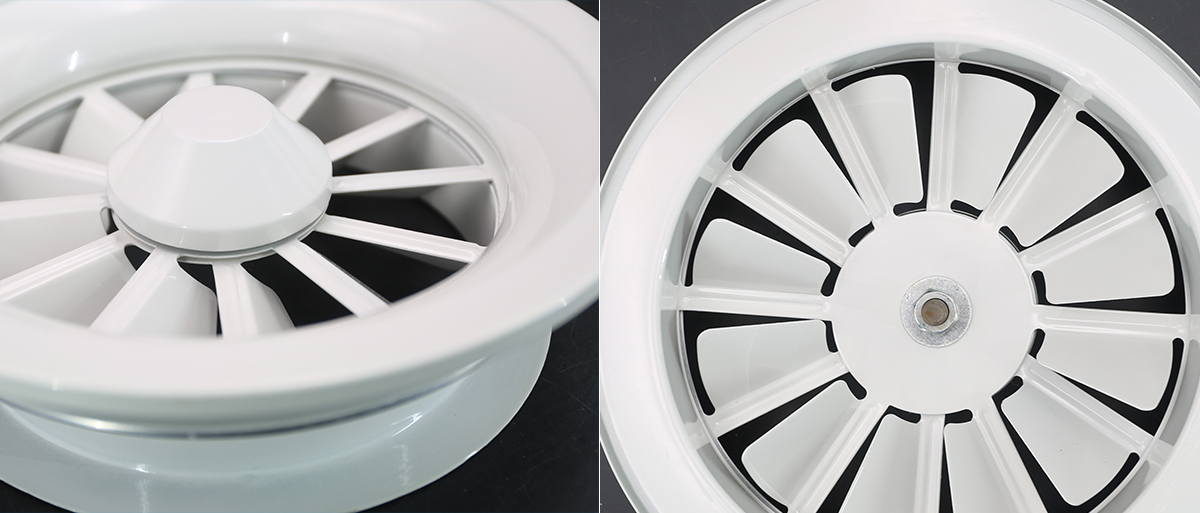
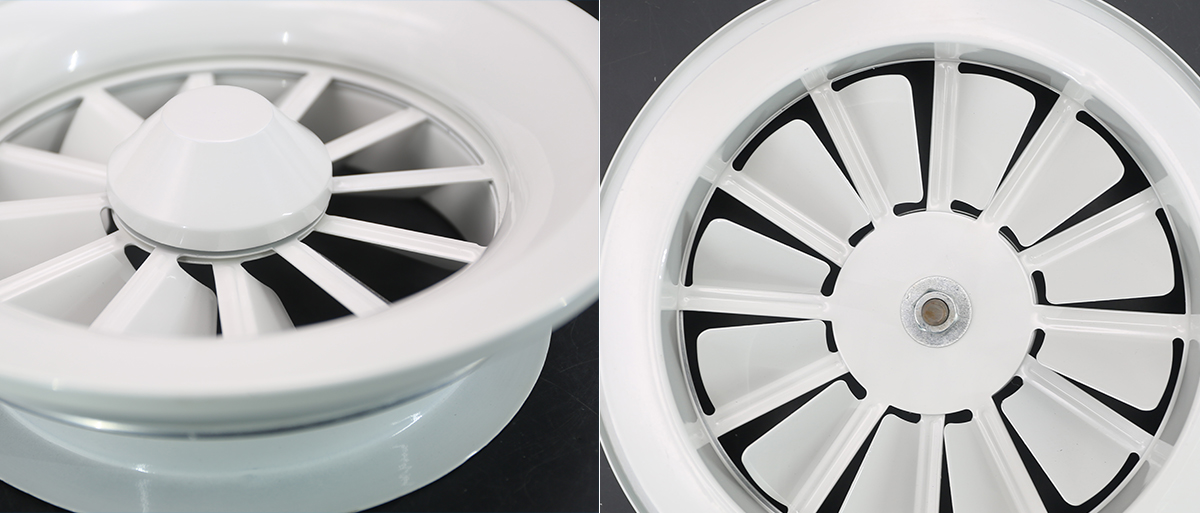
The swirl diffuser spins supply air into the room as a high-induction spiral - instead of blowing a straight jet downward, the angled vanes set the air rotating, and that rotation drags room air into the stream. The result: large volumes of supply air mix to room temperature within meters of the face, which is exactly what high-ceiling, high-air-change spaces need.
How a Swirl Diffuser Mixes Supply Air
Mixing is the whole trick. A conventional jet keeps its velocity and temperature for meters - fine at 2.7m ceilings, wrong at 6m. The swirl pattern multiplies the jet's surface area: the spinning cone entrains surrounding air at a high induction ratio, so by the time the stream reaches the occupied zone it has slowed, tempered and spread. Same airflow, dramatically better comfort - and no rain of cold air on the front row.
High Air-Change Rooms: Operating Theatres and Pharma Cleanrooms
The rooms that benefit most are the rooms with the most air. Operating theatres and ISO 6-8 pharmaceutical cleanrooms change their air dozens of times an hour; swirl terminals distribute those volumes uniformly instead of in concentrated jets. In theatres the swirl pattern supports the room's airflow strategy; in cleanrooms it keeps conditions uniform across the working zone. Anywhere the air-change meter works hard, this is the terminal that keeps it civilized.
Rapid Mixing Without Temperature Stratification
Stratification is what happens when supply air never mixes - warm air pools high, cold air slides low, and the thermostat fights ghosts. The swirl diffuser's rapid induction kills stratification at the source: supply air reaches room temperature almost immediately, floor-to-ceiling readings converge, and the space conditions evenly. Cooling from high ceilings becomes practical instead of theoretical.
Induction Ratio, Throw and Noise
Three numbers govern a swirl terminal. The induction ratio - how much room air each unit of supply drags along - sets mixing speed. The throw - how far the pattern carries - must match the ceiling height to the occupied zone. And noise stays within NC25-NC40 across the 50-2,000 m3/h range, because a swirl face moves a lot of air at low face velocity. The adjustable supply angle lets commissioning tune all three on site.
Mounting in High Ceilings
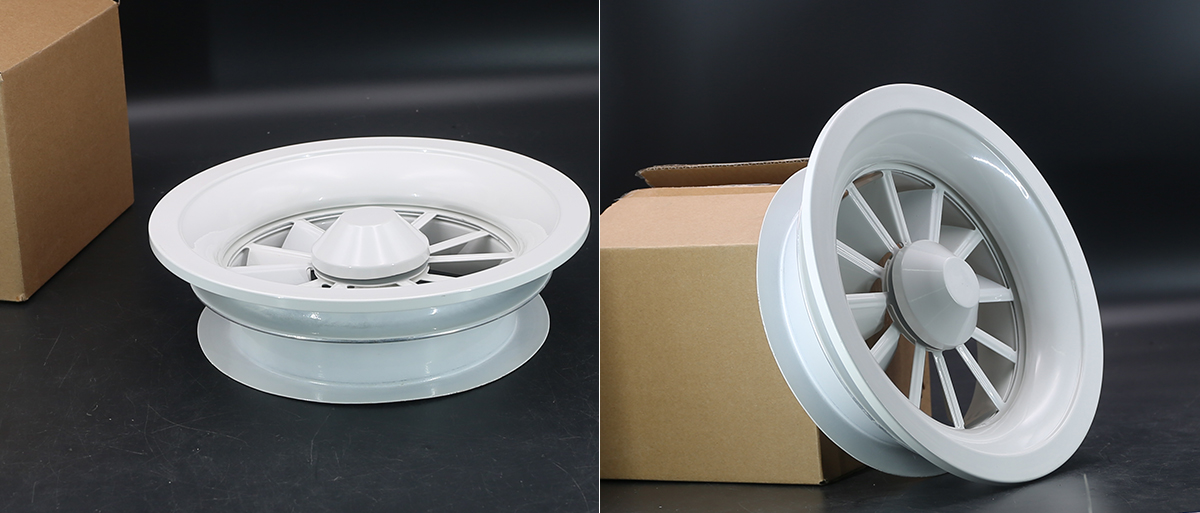
Swirl diffusers mount into modular grids or structural ceilings - airports, theater foyers, bank halls and industrial plants as well as hospital cleanzones. Faces are extruded aluminum, anodized or powder-coated, with the supply angle adjustable from below after installation. On high ceilings that matters: the pattern is set from the room, not from a scaffold.
Swirl in Practice: Commissioning the Angle
The adjustable supply angle is what makes one swirl size serve many rooms. Commissioning sets each face's angle from floor level: steeper angles shorten the throw for lower ceilings, shallower angles extend it for tall halls, and the occupied-zone velocity check confirms the setting. After commissioning the angle stays put - no seasonal re-adjustment, no tools on a ladder for routine operation. It is the difference between a terminal that was installed and one that was set up.
Ordering and Lead Time
Swirl terminals quote from the room data: ceiling height, design airflow, occupied-zone velocity target and the room's classification strategy. We return sizes, angle settings and performance per position. Production runs 20-35 days after confirmation, faces protected and labeled per the schedule - OEM finishes and packaging available.
Frequently Asked Questions
Swirl or square diffuser - which does each room need?
Square diffusers suit general supply at normal ceiling heights: even, quiet, economical. Swirl diffusers take over where air volumes are high and ceilings are tall - the spinning pattern induces room air into the jet, mixing large volumes rapidly so air arrives at the occupied zone already tempered. Rule of thumb: wards and corridors take square; theatres, cleanrooms and tall public halls take swirl.
Do ISO 6-8 cleanrooms require swirl diffusers?
High air-change rooms in ISO 6-8 benefit from swirl terminals because rapid, complete mixing supports uniform conditions during operation. The airflow pattern interacts with the room's classification strategy, so the diffuser choice is confirmed with the cleanroom designer - but swirl is the standard terminal for these air-change rates.
How is throw decided for high ceilings?
Throw follows from ceiling height, temperature difference between supply and room air, and the required velocity at the occupied zone. The adjustable supply angle lets commissioning tune the pattern on site; send the room dimensions and design airflow and the size and angle range are confirmed with the quotation.
Can a damper be fitted behind a swirl diffuser?
Yes - balancing dampers mount on the collar behind the face, the same as our square diffusers, so each terminal can be balanced during commissioning without disturbing the swirl pattern.
What is the lead time?
Standard production runs 20-35 days after order confirmation, faces protected and labeled per the ceiling schedule.
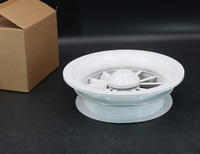
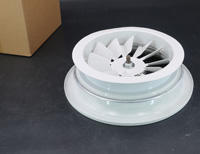
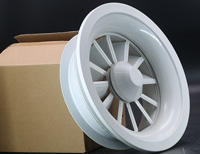
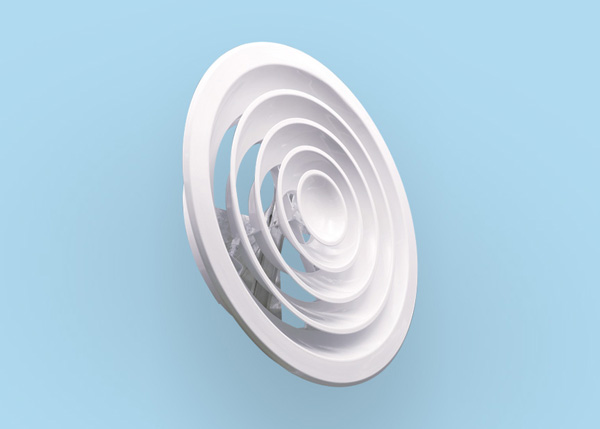
Product Detail Images

Related Products
-

Square Ceiling Diffuser FK003 with 4-Way Airflow
MODEL NO.: FHD-306
-
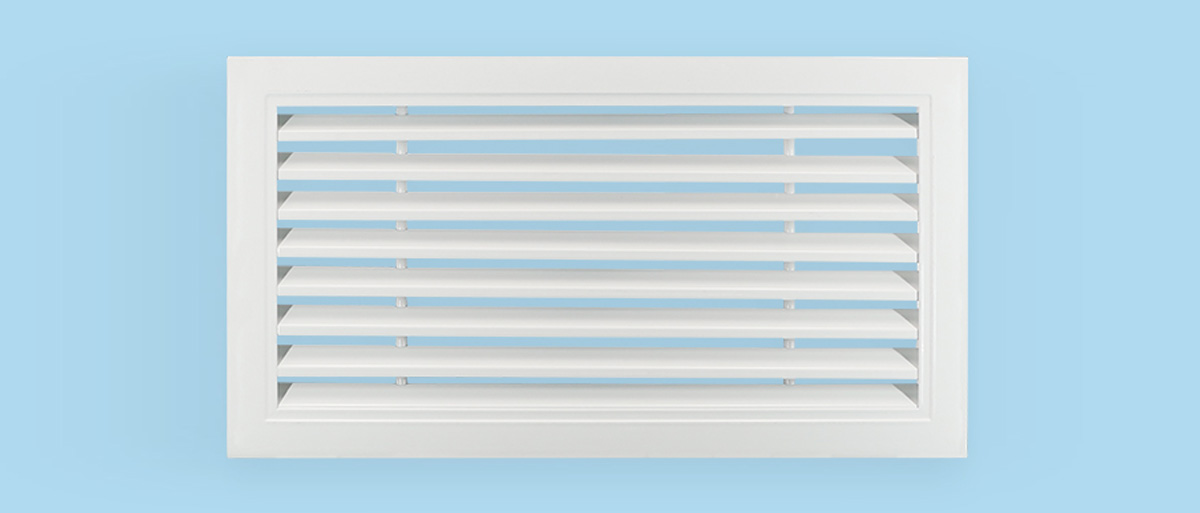
PVC Hinged Air Return Grille - No Damper, White Finish
MODEL NO.: FHD-308
-
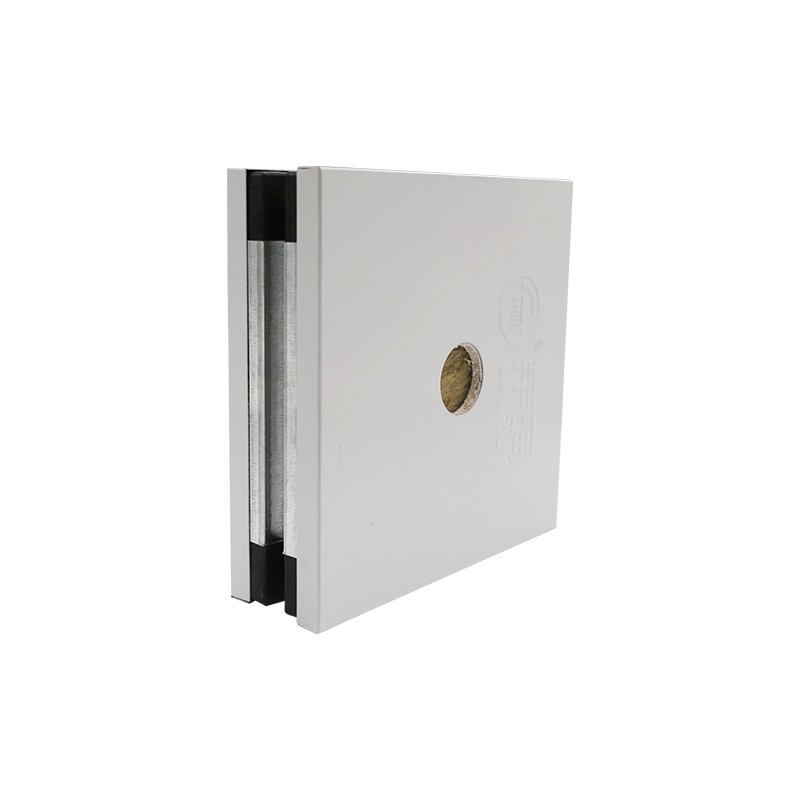
EPS / MGO / Rock Wool / Polyurethane Sandwich Panel
MODEL NO.: FHD-309
-
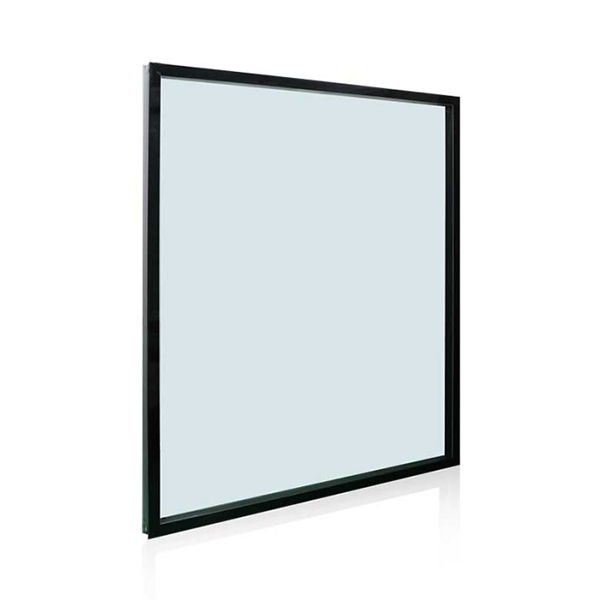
Flush-Mount Cleanroom Viewing Window
MODEL NO.: GW-110
-
Clean Room Door Interlocking System for Cleanrooms & CSSD
MODEL NO.: FHD-101
-
T Profile Ceiling Aluminum Alloy Fittings for Clean Room
MODEL NO.: FHD-304
Get the latest price? We will reply as soon as possible (within 12 hours)